
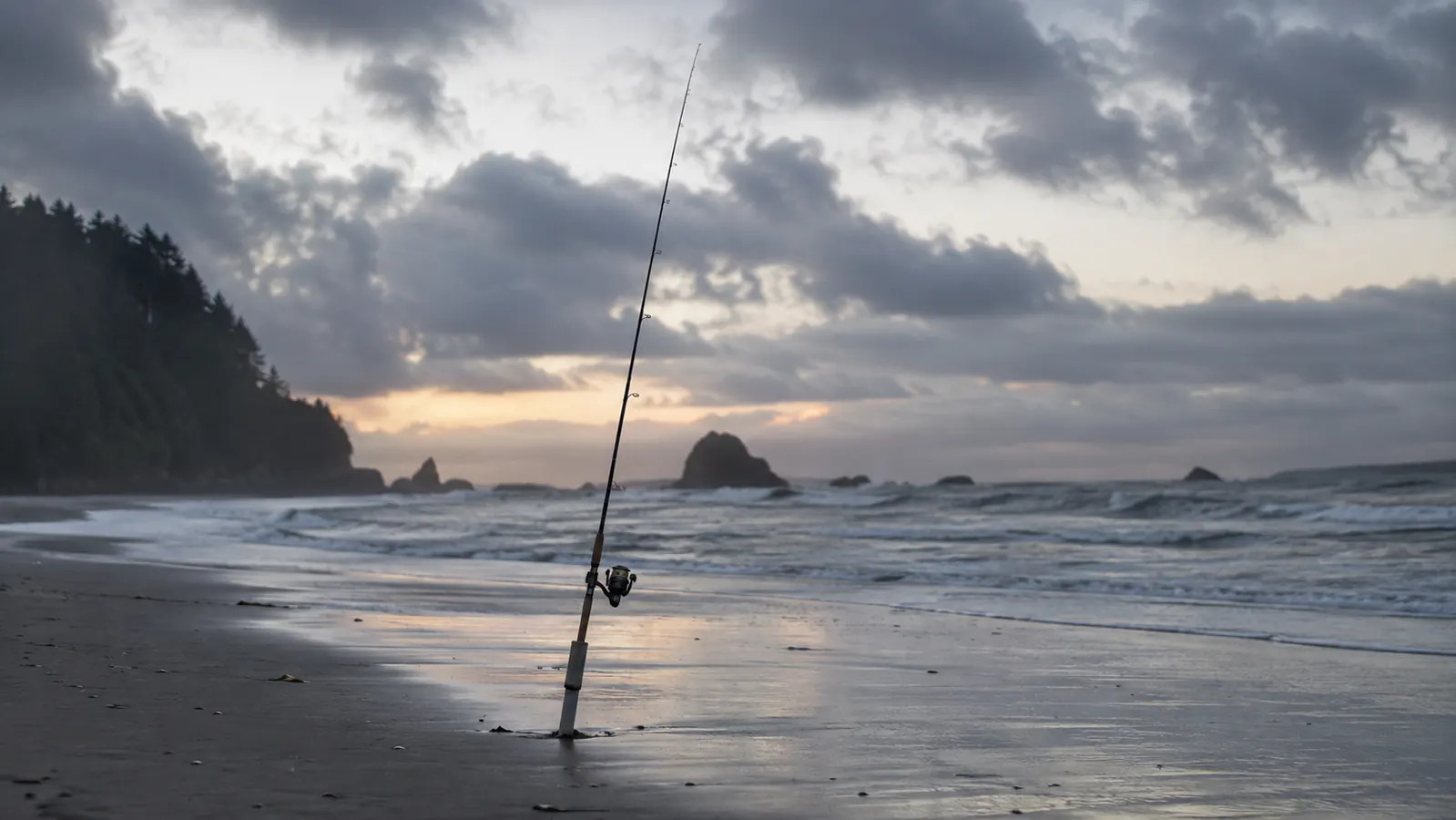
There is a particular disappointment that sends a person shopping for a new rod, and it is not the lost fish. It is standing on a Washington jetty at low tide, line still wet from your ninth cast, and realizing the reel you paid forty bucks for has started to grind because the salt got into it last weekend. You rinsed it, you thought. The drag stutters, the handle has a notch in it, and you are suddenly doing the math on how many of these cheap combos you have gone through in a season. I did that math twice last year, and the answer is what finally made me buy an Ugly Stik Bigwater and stop pretending the cheap stuff would hold together on the coast.
I want to be straight about why I picked this one, because it is probably the same reason it is in your cart. The Bigwater name carries a legend, mostly because of the Ugly Stik blank that people have been snapping reeds against for decades and watching not break. But a rod is only half a combo, and the reel that comes attached is the part I was worried about. So I bought it for the rod and told myself I would swap the reel if it died. A whole season on the north Washington coast later, surf perch in the winter and rockfish off the jetties in the summer, the reel is still the one that came in the box, and nothing on it needs swapping. That surprised me, and it deserves the write-up I keep telling people to go read.
The Quick Verdict
A genuinely tough, salt-tolerable spinning combo that casts far and fights hard for the price, with a blank that shrugs off abuse even if the stock reel is entry-grade in its bearings.
Amazon Check Today's Price →Stop replacing the combo the salt kills. See the current price.
One rig that casts far on the jetty and still turns the handle in the morning beats a shelf of corroded cheap ones. The Ugly Stik Bigwater has earned its spot in my truck. Check today's price on Amazon.
Amazon Check Today's Price on Amazon →How I've Used It
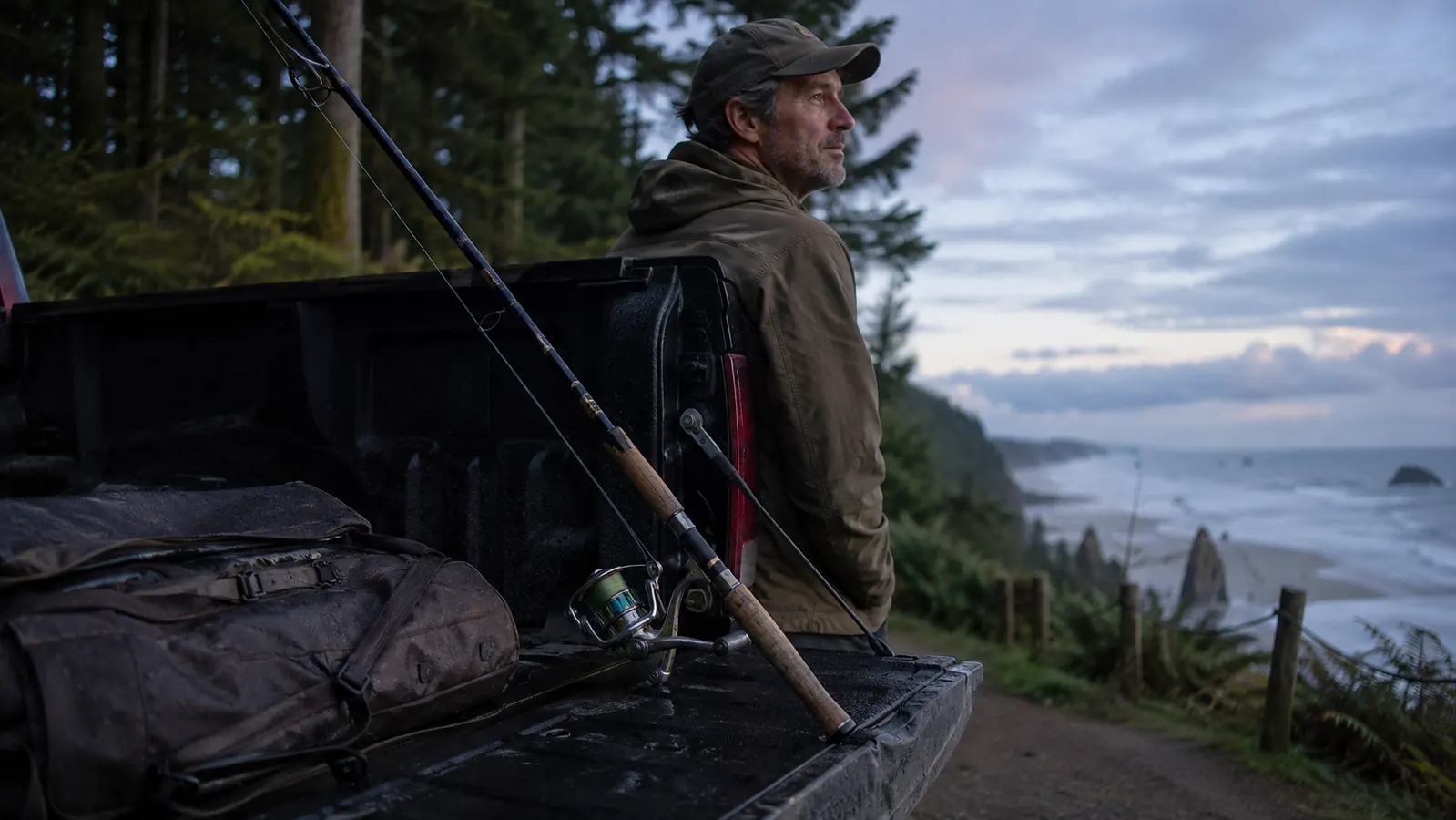
I did not buy a combo to review it in a garage with a bucket of water. I live in northwest Washington and a lot of my Fridays are spent heading west, not east. So this rig got fished, hard, in the actual places that destroy tackle. Winter storm surf on the Washington coast where the sand gets picked up by the wind and pelted into the guides, gravel bars for surf perch in early spring, and the rock jetties through the summer for rockfish and the occasional ling when the tide cooperated. It has been rained on, dumped on in sand, knocked over on the rocks, and rinsed at a hose more times than I can count.
My method is unglamorous. After every trip I write down two or three things in a note on my phone, the way the drag felt, whether the reel started to get notchy, how far the cast went compared to last time. No lab, no force gauge, just a notepad on a salty dashboard and a lot of dawns I did not want to get out of bed for. The shortest version is that the rod never once let me down, and the reel, against everything I expected, kept spinning. The longest version is the rest of this piece, and it is the note log written out carefully so you do not have to learn the hard way what I did.
The spec sheet matters less than what the water does to a rig, but here is the shape of it. The Bigwater is a two-piece rod sold in a few lengths, and the one I fish is the seven-foot medium-heavy, paired with a spinning reel that comes in the combo. The blank is the famous Ugly Stik construction, a fiberglass-driven build with a layer of graphite that gives it backbone without making it brittle. Saltwater species are the point of it, surf perch and striped and salmon and rockfish all show up in its lane. The price lands well under what a comparable graphite setup would set you back with a reel of any quality, which is exactly what puts it on the list of a fisherman on a budget.
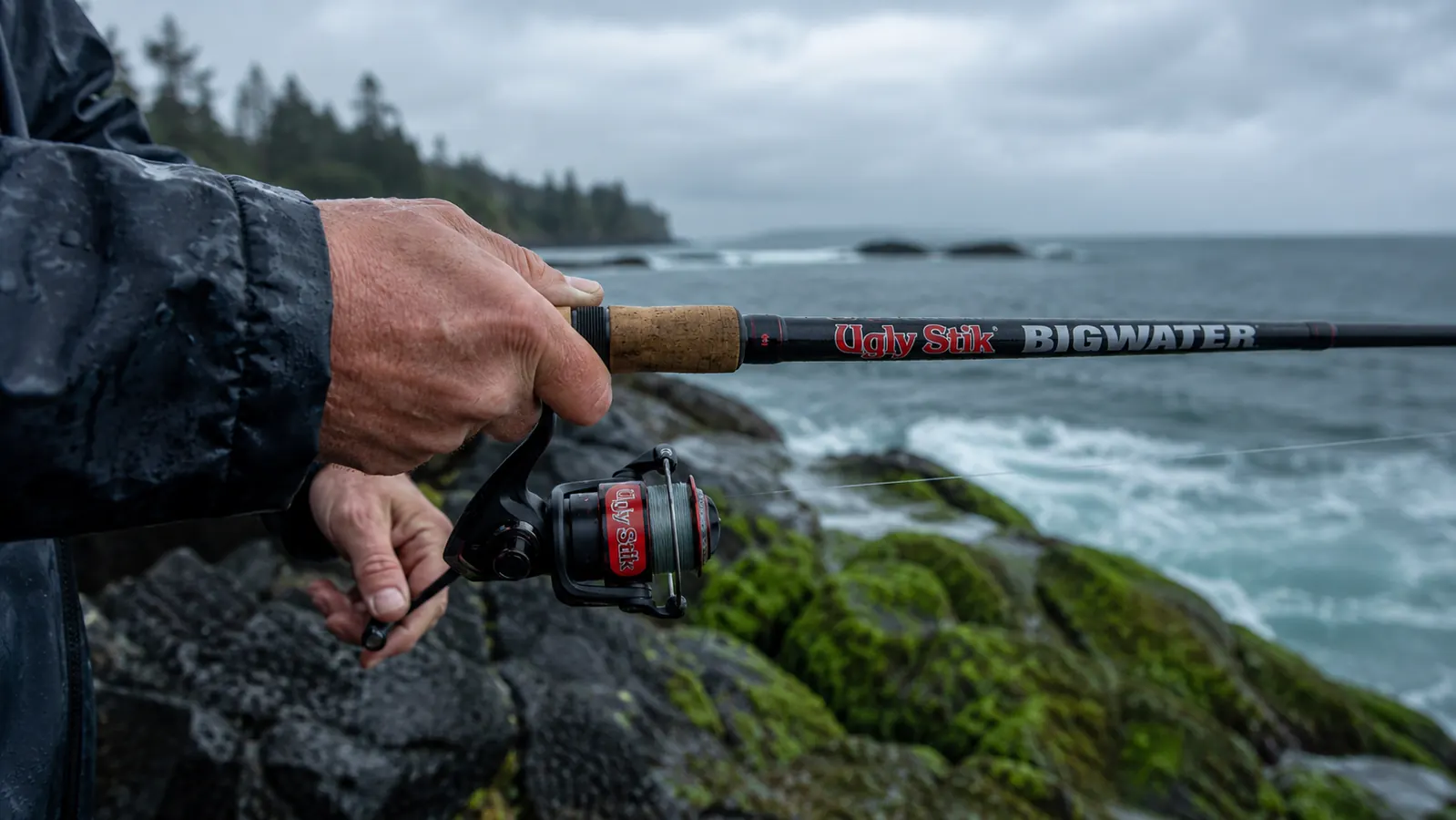
The Blank Is the Reason to Buy It
The whole reputation hangs on this blank, and after a season I am here to tell you the reputation is earned. The Ugly Stik construction is thick where other rods are thin, and it does not flick sharply the way a high-modulus rod does. What it does instead is flex deep and load up heavy, which is precisely what you want when you are flinging a one-ounce pyramid sinker and a bait out past the breakers. That deep-loading action is what gives you the casting distance, and it is also what keeps you from snapping a tip on a cast that goes wrong or a fish that turns at the rocks.
What the flex does not give you is sensitivity, and I am going to say the honest version so you are not surprised. A fancy graphite rod telegraphs every tap of a pebble crab on a sand bottom. The Bigwater does not do that; it is a softer, blunter rod, and you feel big bites and heavy takes more than the small ones. For surf perch and rockfish, where the bite is usually not subtle, it simply does not matter much. For a bottom-sensing cork-and-float game you would want something with more signal. But for the kind of fishing a Bigwater is built for, the trade is worth it, because the rod you are never getting a bite on because you snapped its tip is also the rod that catches nothing.
I tried to break it. Not maliciously, but I am a clumsy fisherman and the coast does a lot of its own testing. It has been stepped on, knocked across basalt more than once, leaned on in a hurry when a wave came up the jetty, and dropped down the rocks while I fumbled with a fish. The worst that happened is a chipped bit of paint where the finish met the rock. No cracked blank, no broken tip, no guide pulled loose, even after I hammered a barbed hook against the rock face to free a snag. After a season of that, I understand why the reputation exists. This rod is hard to break on purpose.
The Reel Held Up Better Than Expected
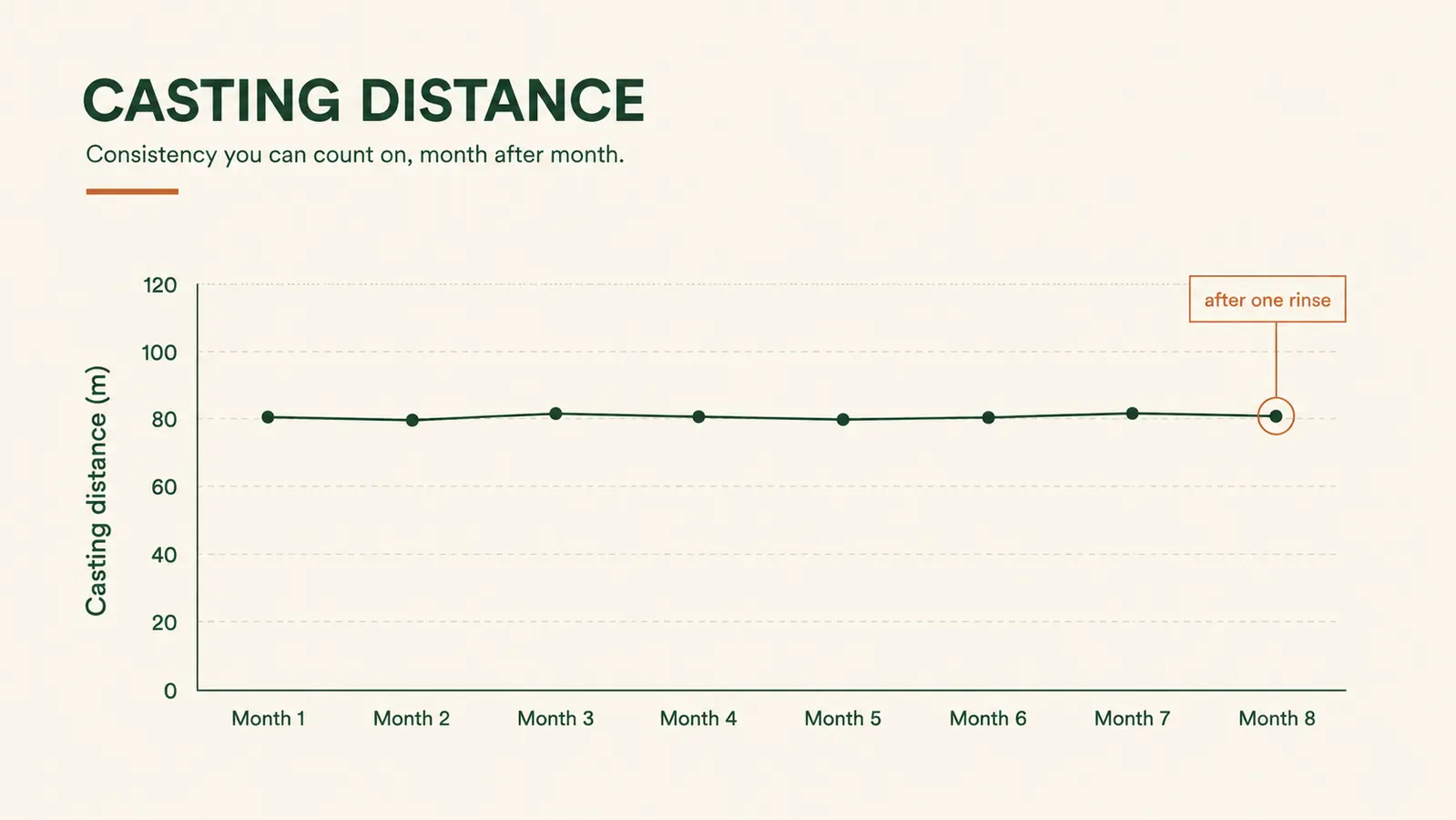
Here is the part I was sure would let me down, and it is the part I have to be honest about being wrong on. The reel that comes in a budget combo is usually the weak link, a tinny bail and a drag that seizes the second week of salt use. I bought the Bigwater assuming I would be swapping the reel before the season was out. I am now a full season later, and the stock reel is still turning smoothly. The drag has not stuck, the bail has not snapped, and after every salt trip a freshwater rinse at the tap brought it back to smooth. That is a better result than I have had from several reels I bought separately for more money.
Now the honest caveat, because the reel is not a premium piece of machinery and I am not going to pretend it is. The bearings are entry grade, the smoothness is fine rather than silky, and on a slow reeling fight you can feel the gear set click. At the price point it comes with a workhorse reel that does the job, which is a fair trade you should know about before you judge it against a two-hundred-dollar flagship. If you are the kind of person who wants a buttery smooth retrieve or who fishes every single weekend through the whole season, plan on eventually swapping the reel housing onto the blank you already trust. That is the move, and the blank earns the upgrade.
The drag, for what it does, is the surprise highlight of the reel. It has held firm against a rockfish that wanted the inside of the jetty and a decent surf perch run on light tackle, laying out line without the dreaded violent stick that costs you fish at the net. For the salt-and-sand abuse it takes, it has stayed smooth and predictable all year, which is more than I can say for the three cheaper combos I wore out in previous seasons. Combined with the casting weight the blank likes, the reel feels like the package was actually matched to the rod rather than a component picked off a parts shelf to hit a number.
Casting Distance and the Coast
Surf fishing is a distance game, and this is where the Bigwater's deep-loading blank earns its keep. Flung properly, the rod loads up like a catapult and lets a one-ounce weight and a bait sail out well past the breakers where the surf perch are actually sitting. On the gravel bar at low tide I was consistently clearing the sandbars that had me too short with my old lighter rod, and reaching that deeper gut translated directly to more bites. For anyone who has stood too short on a bar and watched the good water sit just out of reach, that is not a small thing. It is the difference between fishing and just holding a rod.
The only cost of all that casting power is heft. The Bigwater is not a light rod in the hand, and it is not pretending to be. After a few hours of casting the seven-foot medium-heavy, your forearm will let you know you have been working. It is the opposite of an ultralight stream rod, and it does not want to be tossed around all day on the rocks. For the standing-still-and-holding-it surf session, the weight is a non-issue, because casting every five minutes at dawn is not what you are doing. For the walk-and-wear-all-day approach, you will feel it more. Know the trade before you buy, and match the length and action to how you actually fish.
What Salt and a Season Do to It
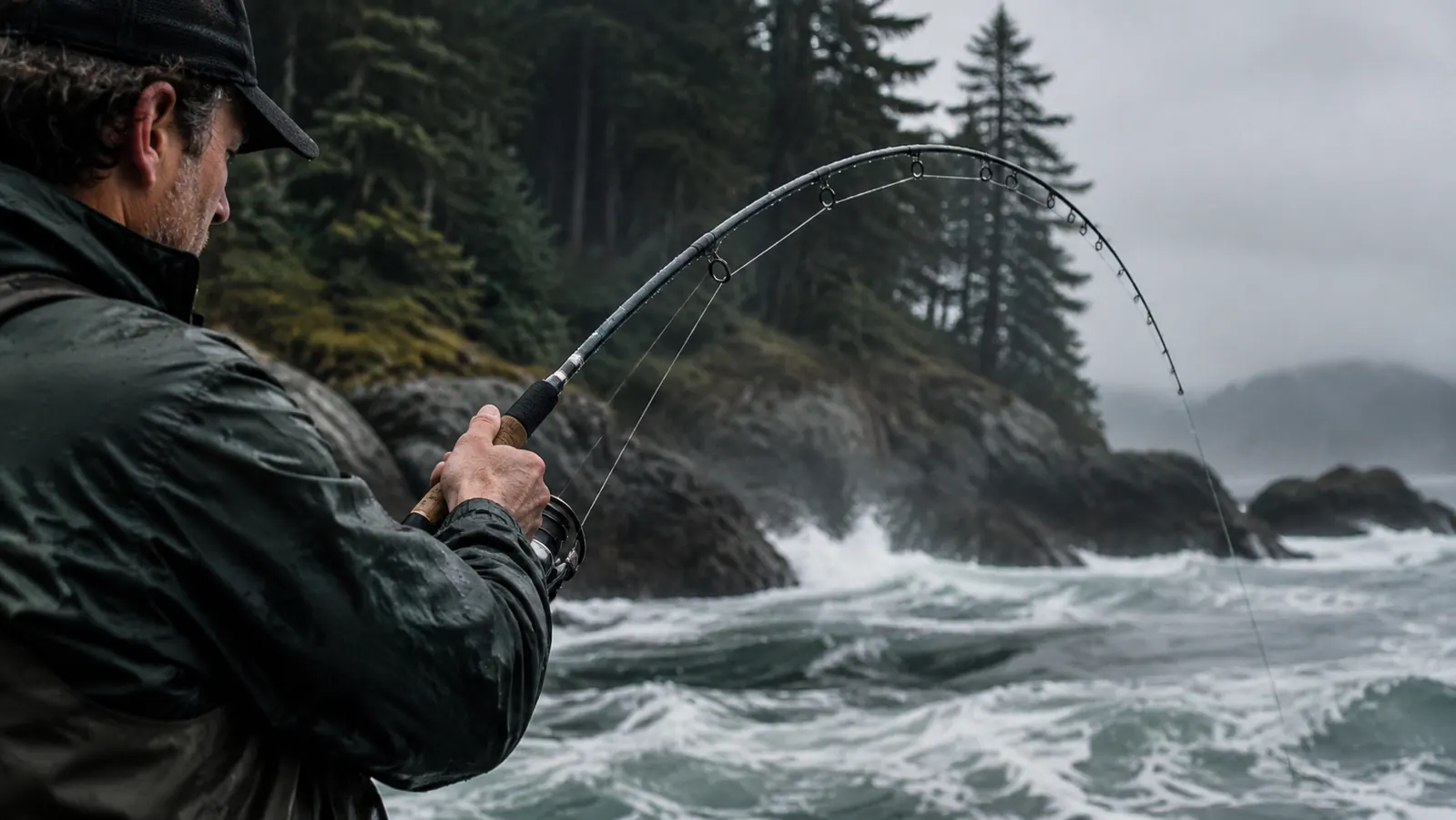
Salt is the true test of any coastal rig, and it made a believer out of me on the durability side. The blank shrugs off saltwater completely, it is a fiberglass-driven rod and corrosion is simply not its mode of failure. The one thing the coast will eventually do to the hardware, if you neglect it, is work on the reel, and that is entirely within your control. A rinse at the fresh tap after every salt trip, which takes thirty seconds, kept the drag smooth and the bail crisp for the whole season. Skip the rinse for a series of trips and the cheap components will corrode just like they would on a more expensive reel. The salt does not care what you paid.
The guides are the piece I want to reassure you on, because rusted guides are the thing that quietly ends a coastal combo. After a full season of sand spray and storm surf, the guides on this rod still pass line cleanly with no rough corroded spot grooving it. That is the upgrade the Ugly Stik name buys you over the no-name combos that rust at the first ring. The reel seat and the cork foregrip have held up to the wet-and-dry cycle without coming loose or turning to mush, which I cannot say for every budget rod that has lived in my truck. It is a rig that recognizes the coast is coming for it and does not roll over.
What I Liked
- The Ugly Stik blank is genuinely hard to break, ton-on-a-rock durable
- Stock reel survived a full salt season with a basic rinse, better than expected
- Deep-loading action casts a heavy surf rig surprisingly far
- Guides and hardware held up to salt spray without rusting
- Matched rod and reel combo priced well under a graphite setup
Where It Falls Short
- Soft fiberglass blank lacks sensitivity for small-bottom-bite fishing
- Entry-grade reel bearings are fine, not silky, and worth upgrading for heavy use
- Rod is heavy in the hand after hours of casting
- Not ultralight and not meant to be, it is a workhorse density
After a full season I stopped worrying about whether this rod would break, which is the highest thing a coastal fisherman can say about a blank worth its salt.
Who This Is For
The Ugly Stik Bigwater is for the fisherman who fishes the actual coast and is tired of replacing cheap combos every season, or who is getting into surf and jetty fishing without wanting to drop a fortune on a graphite setup and a separate salt reel. If you are heading out for surf perch, rockfish, striped bass, or salmon around the jetties and beaches, and you want one rig you can be confident won't snap or seize, this is a genuinely great match. It is the ideal first coastal combo, and it is also the reliable backup that goes in the truck when the fancy setup stays home. For that person it is close to the best durability-per-dollar in saltwater fishing.
Who Should Skip It
Give it a pass if you are a tournament caster chasing maximum distance with light graphite, or if you need one sensitive rod for finesse bottom-bite presentations where you feel every tap through the tip. And if you expect the stock reel to run silky forever without so much as a rinse, no coastal reel does that, this one included. But if you are a weekend fisherman on the Pacific Northwest coast who wants a combo that casts far, fights hard, and survives the salt, the Bigwater is the rare rig that is better than its reputation. A season in, with the sand and the spray and the rocks all over it, I still grab it first when the tide turns. That is the write-up, and it is the whole story.
A season in, I grab it first when the tide turns. See the current price.
One rig that casts far on the jetty and still turns the handle in the morning is worth more than a shelf of corroded cheap ones. The Ugly Stik Bigwater has earned its place in my truck. Check today's price on Amazon before your next surf day.
Amazon Check Today's Price on Amazon →