Marmot Precip Eco Rain Jacket Review: A Full Year of Cascades Rain
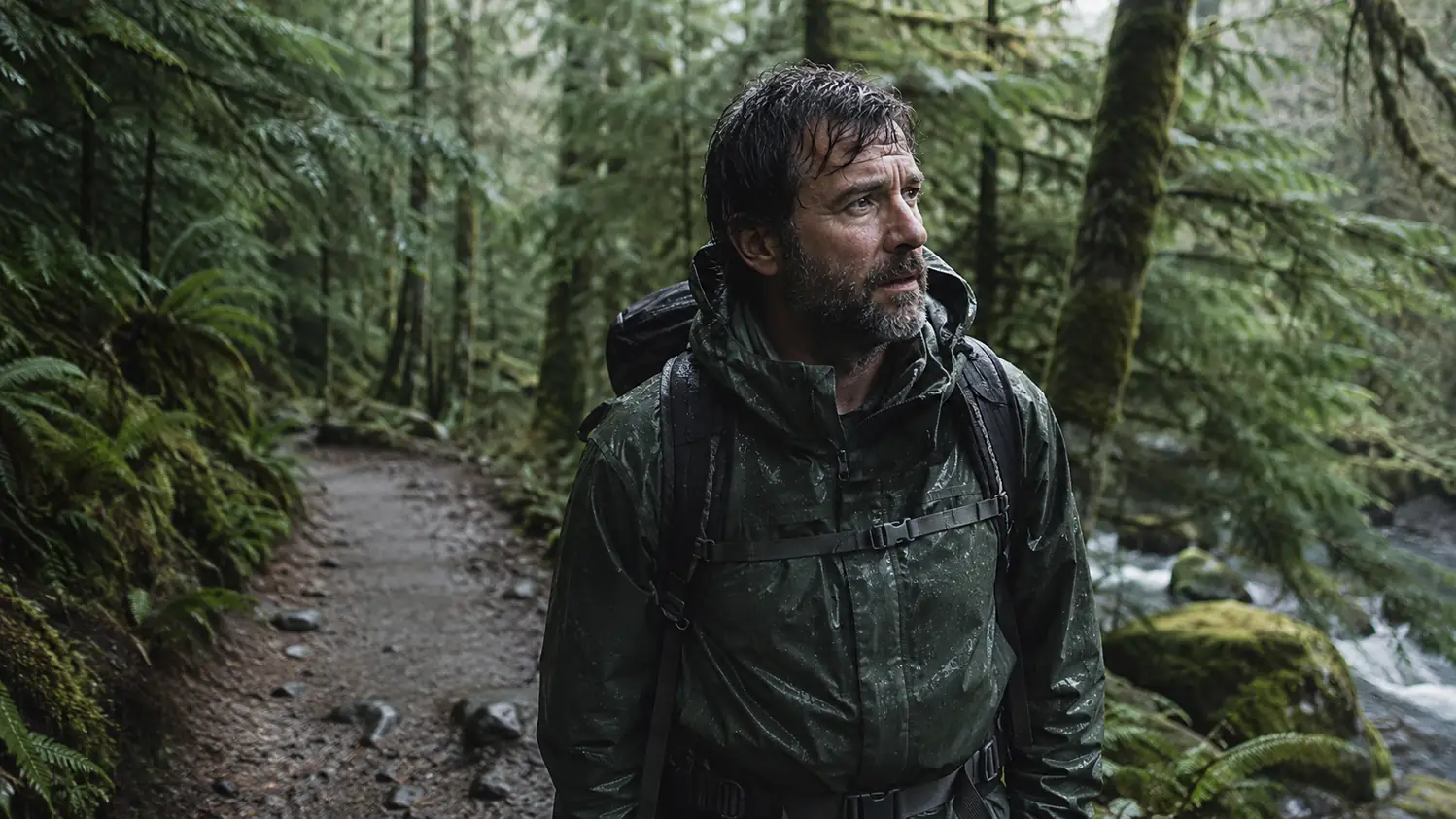
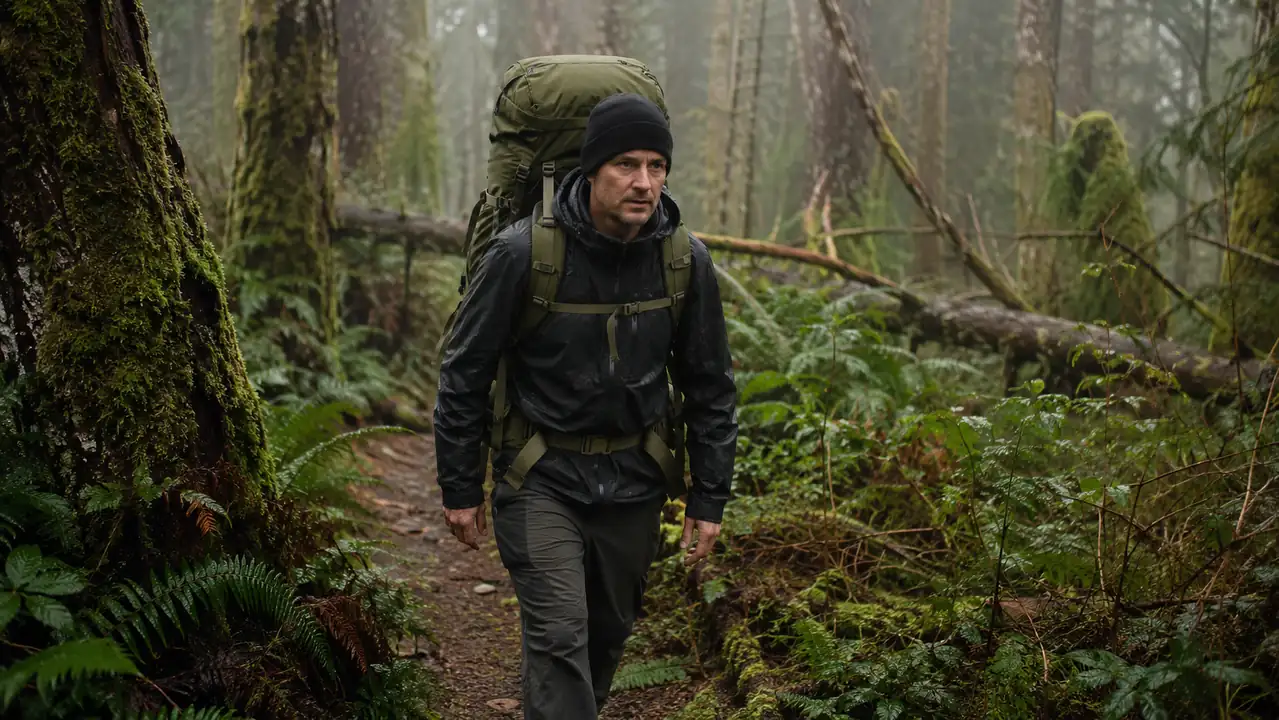
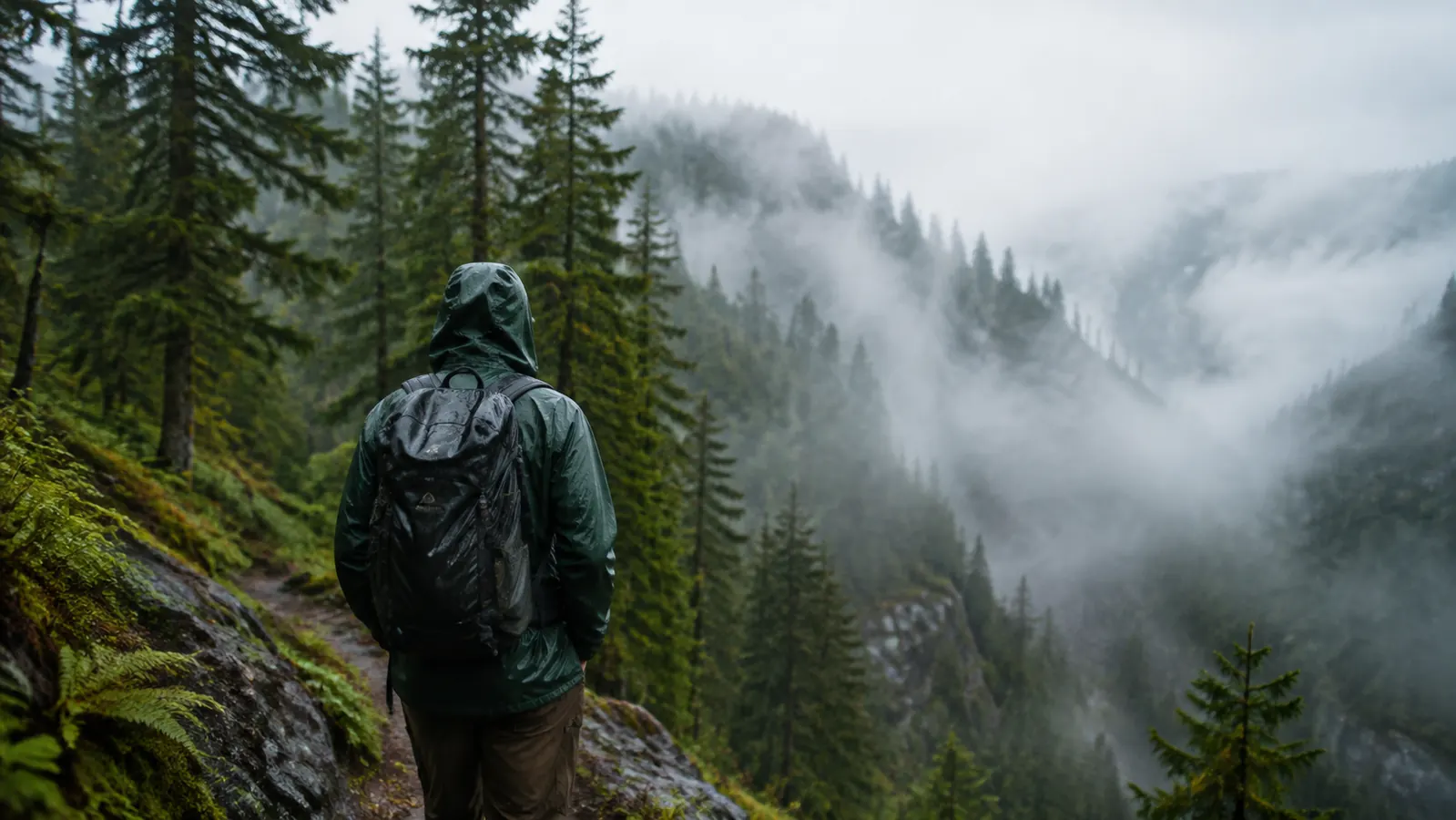
I wore the Marmot Precip Eco through every kind of Pacific Northwest wet, from forest drizzle to alpine soakers. This is what a full year actually does to it.
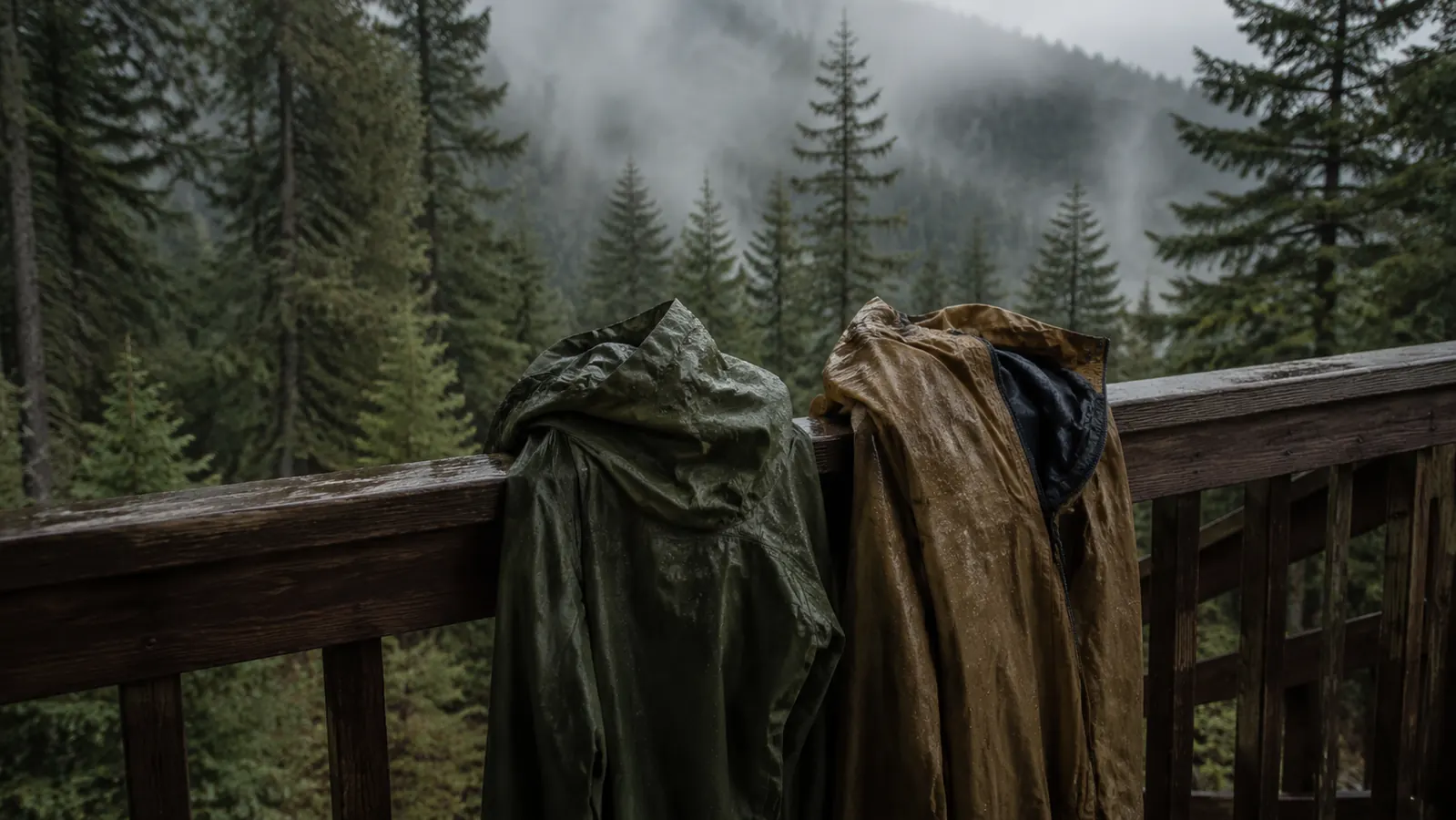
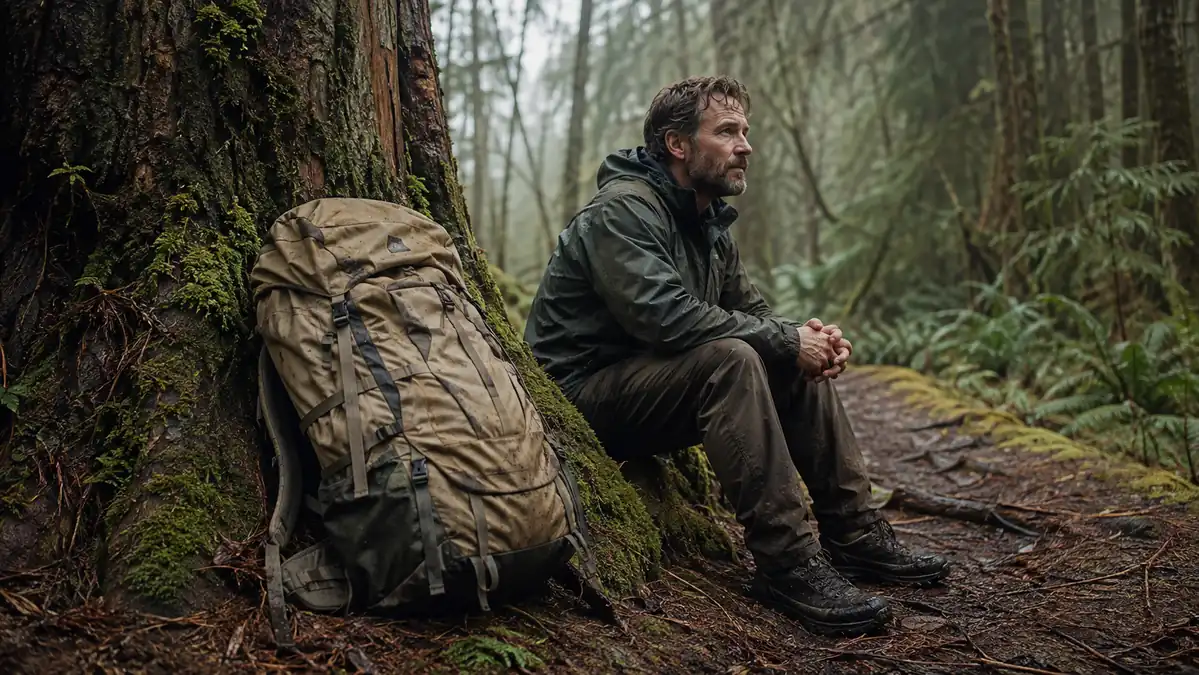
After one too many bone-cold mornings on the Olympic coast, I stopped chasing cheap rain gear and finally bought a Marmot Precip Eco. This is that story.
I wore the Marmot Precip Eco through every kind of Pacific Northwest wet, from forest drizzle to alpine soakers. This is what a full year actually does to it.
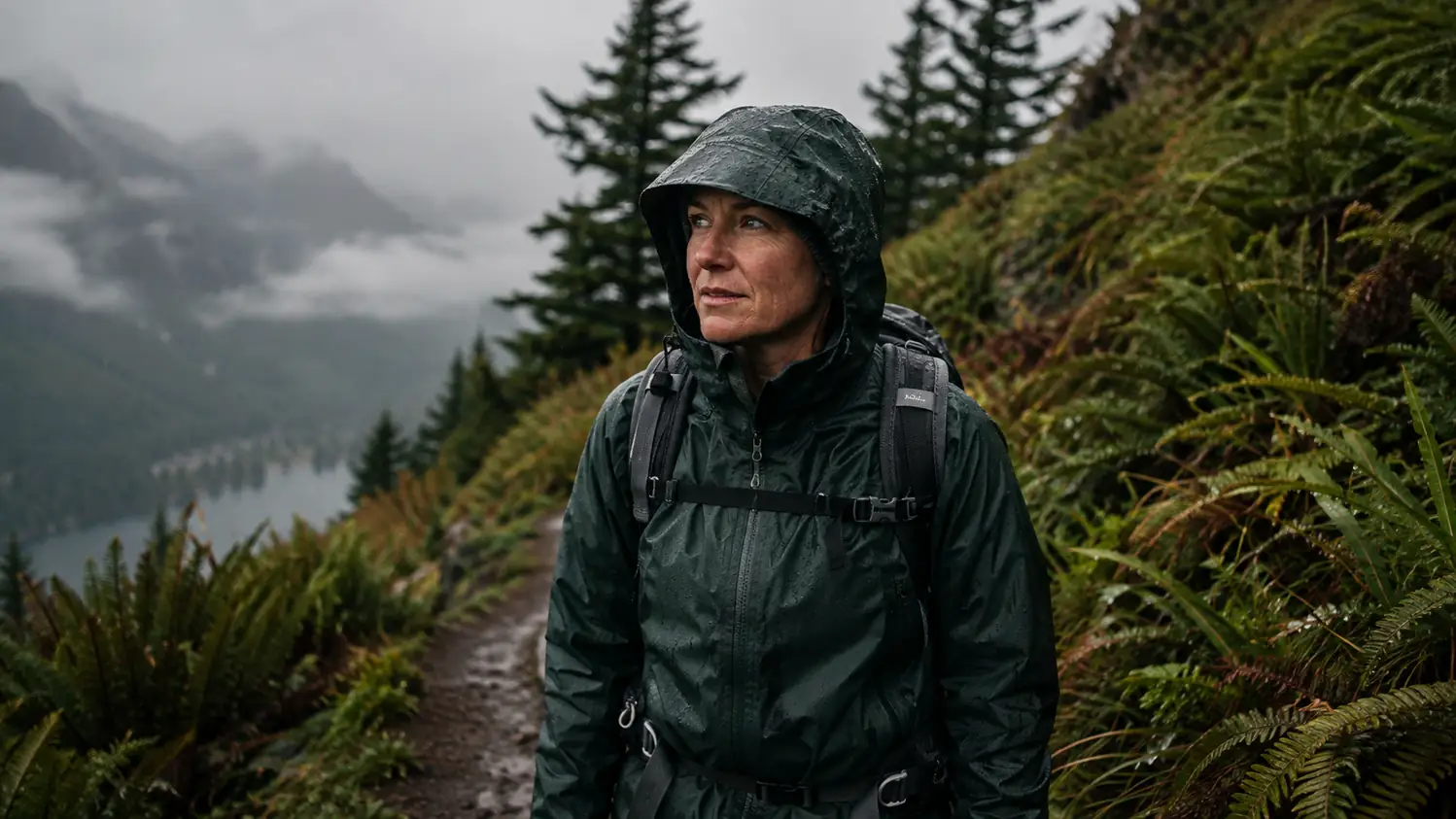
One kept me dry through a soggy spring. The other lives in the trunk of my truck. Here is the full head to head.
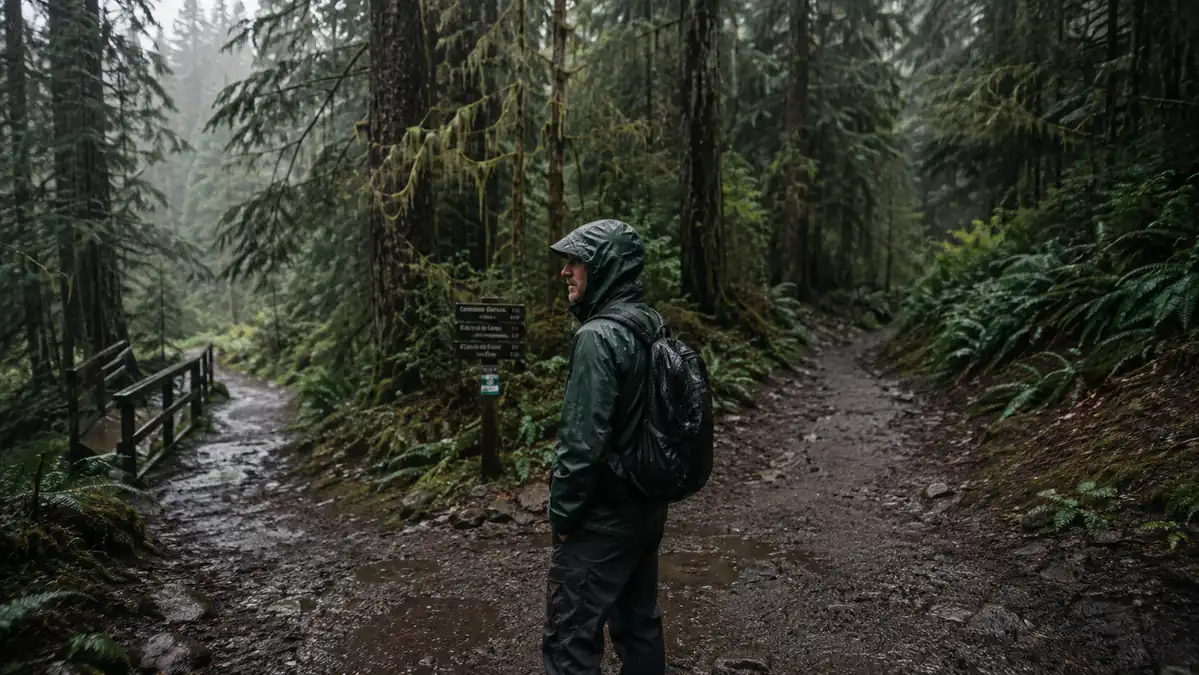
The Pacific Northwest rains more than most places on earth. Here is why one dependable hardshell, the Marmot Precip Eco, earns its baggy drawer spot in every daypack.
After one too many bone-cold mornings on the Olympic coast, I stopped chasing cheap rain gear and finally bought a Marmot Precip Eco. This is that story.
All-day rain is won in the layers under the shell, not the shell itself. Here is the five-step system I use when a Pacific Northwest downpour is the whole forecast.
The unvarnished side of the Precip Eco the photos never show, from the hood you have to fold twice to the breathability ceiling you will spend a whole climb rediscovering.
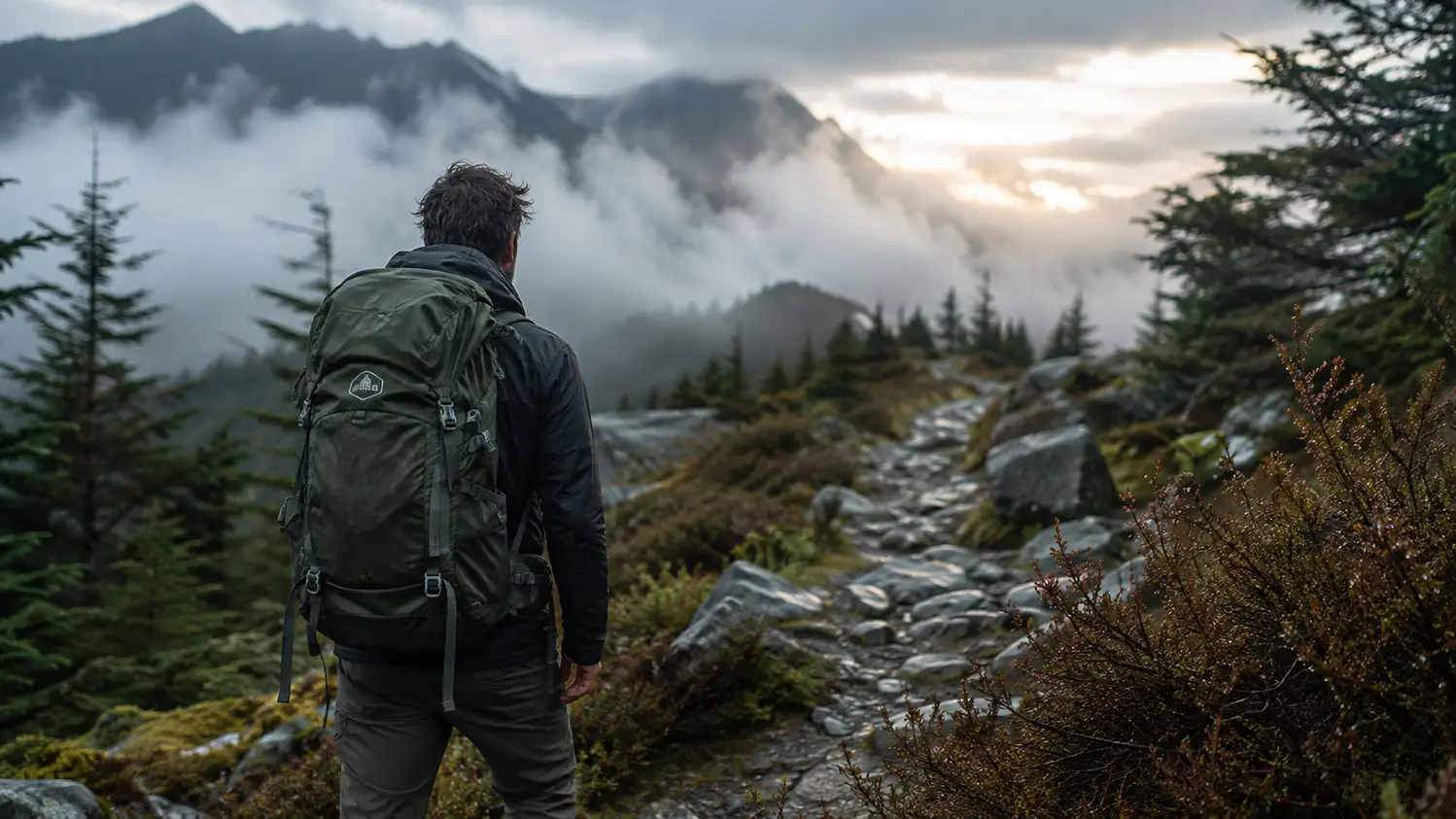
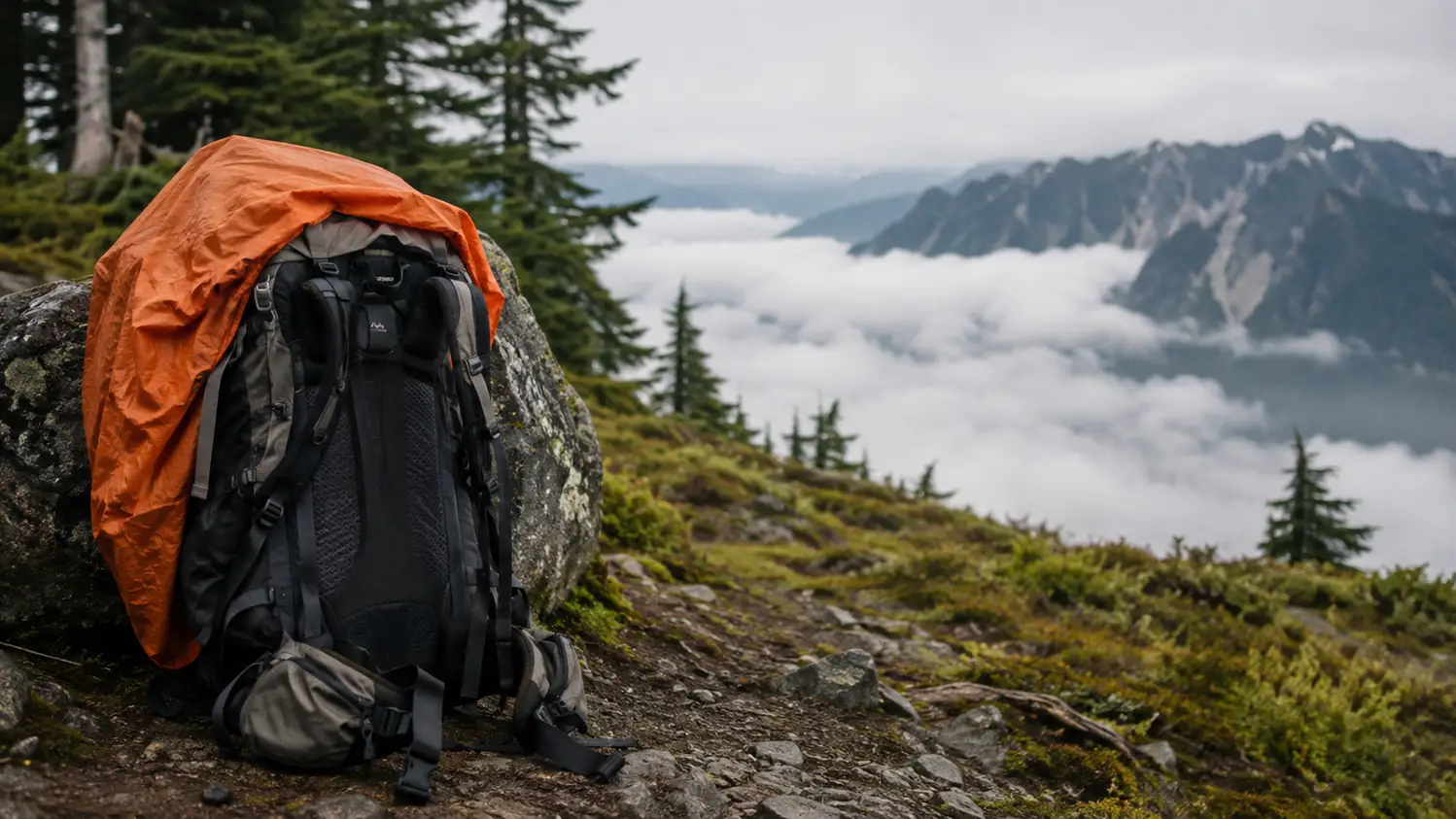
I carried the Loowoko 50L through two years of Cascade weekend trips, from rain-shadow ridges to soggy alpine camps. Here is what the frame, rain cover, and layout actually did under a full load.
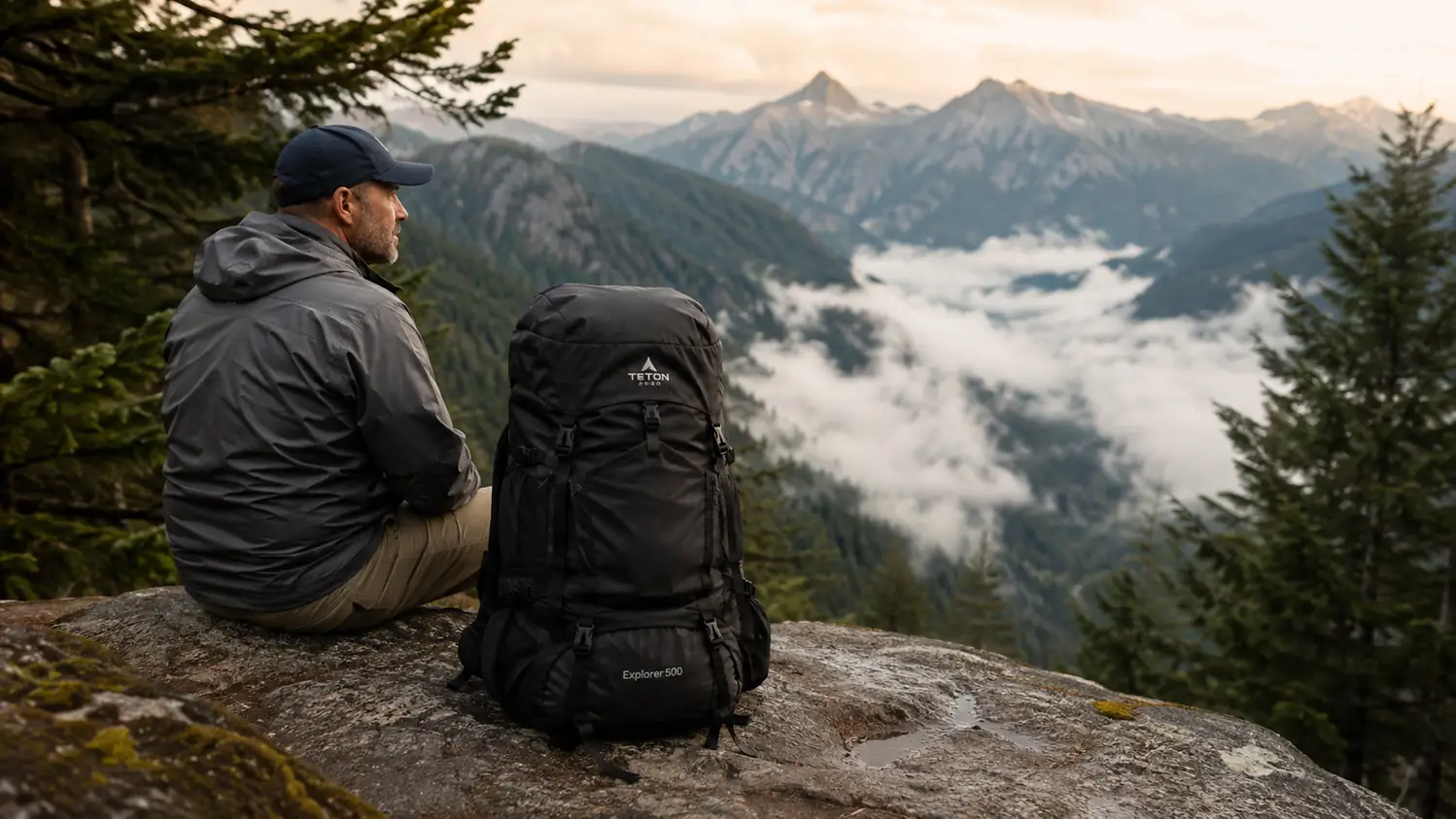
Two affordable 45 to 50 liter packs, a full season of Cascade weekends, and one honest answer about which one actually earns its place on your back.
A weekend in the Cascades is not really a day hike and not really a week in the woods. Here is why 50 liters, the volume of the Loowoko 50L, is the number I reach for every time.
For years I carried a pack that fought me on every ridge. Then I found one that disappeared on my back for a full Cascade weekend. This is that story.
A full weekend in a 50 liter pack is an exercise in choices, not guesswork. Here is the exact system I use to fit two nights out in the Cascades without leaving the thing that matters behind.
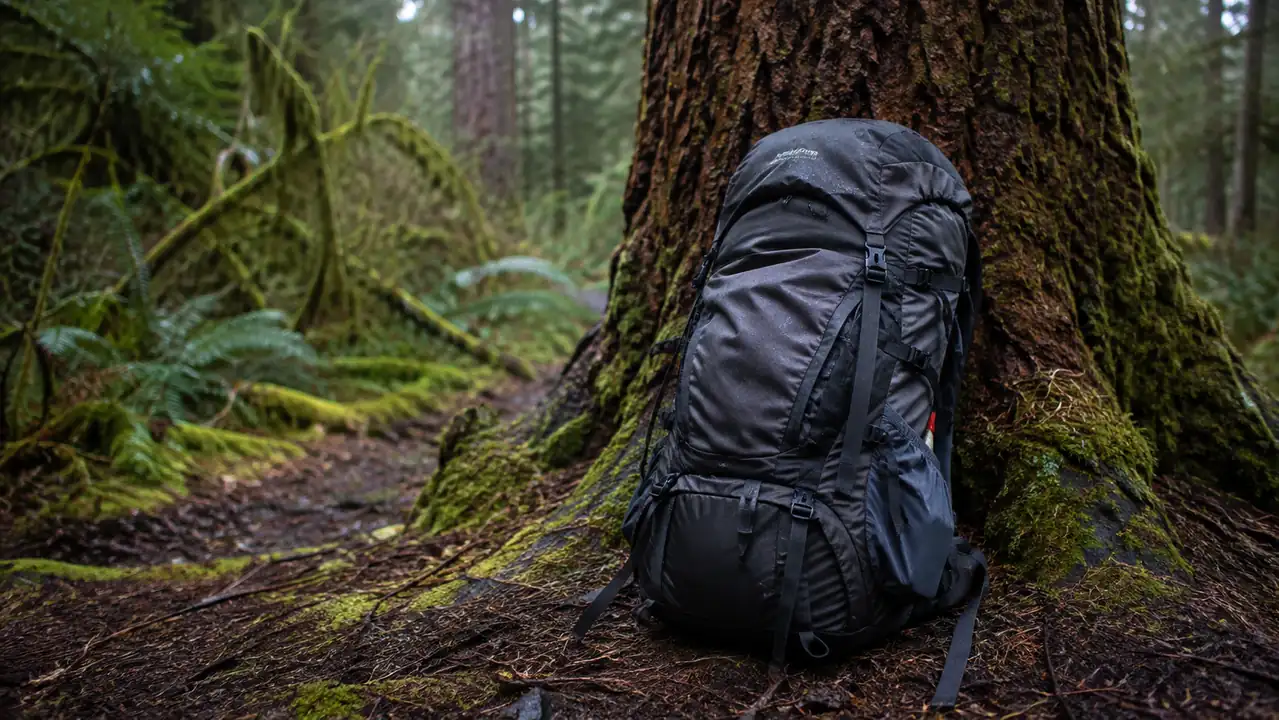
The product photos make the Loowoko 50L look like a pack costing several times more. After two seasons in the Cascades I can tell you exactly where that headline hides its corners.
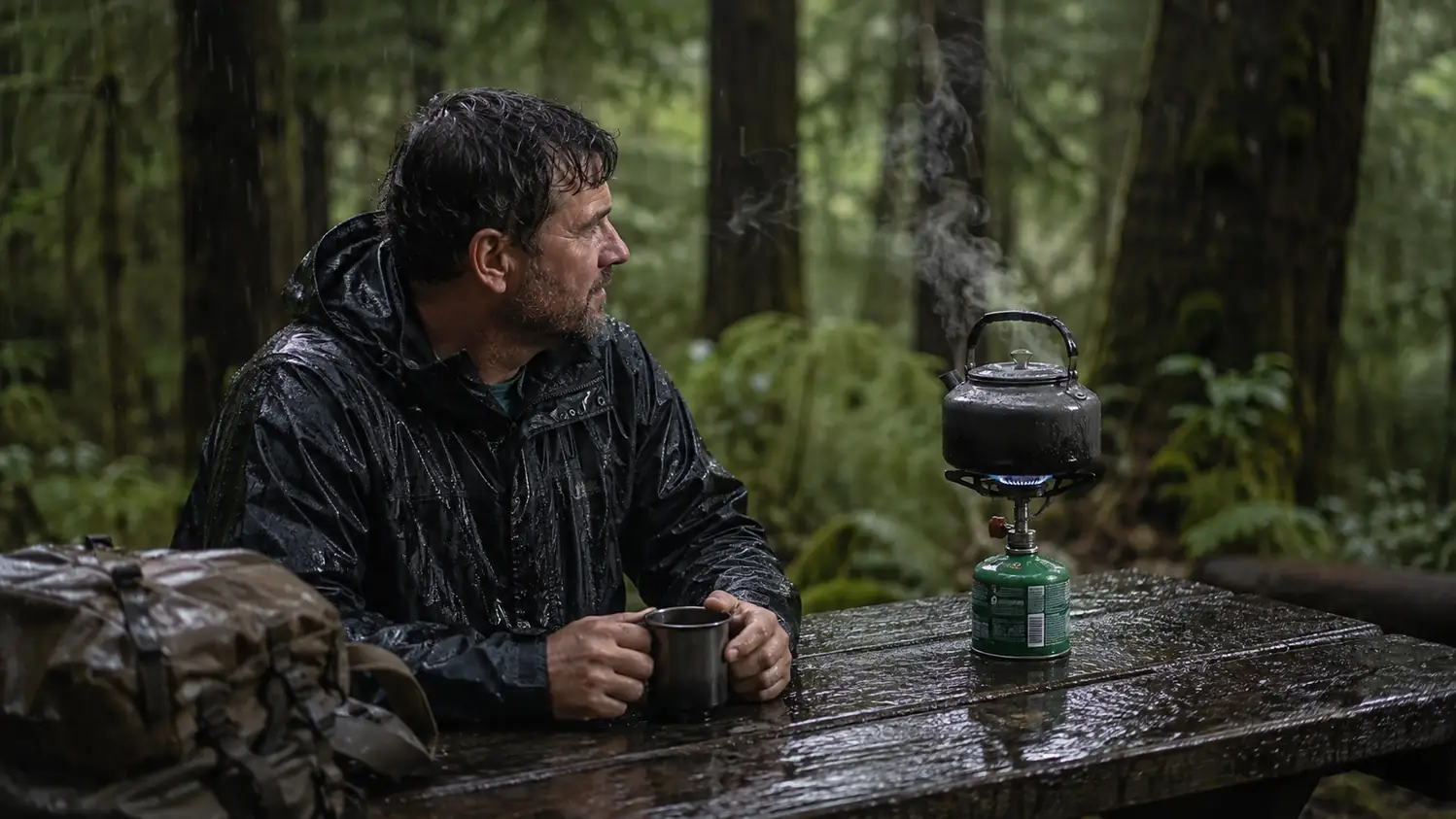
I ran the Coleman BottleTop stove through three Pacific Northwest winters, from Olympic beach camps to wet Cascade basins. Here is how the burner, the wind shield, and the metal held up to years of cold, rainy use.
Two single-burner propane stoves, one rainy Pacific Northwest camp kitchen. I spent a spring cooking both in the open air so you do not have to guess.
When the wood is wet and the rain has no mercy, a dependable propane stove wins every time. These ten reasons are why the Coleman BottleTop lives in my camp kit.
One soggy weekend in the rain shadow taught me that wishing for a dry campfire is not a plan. The Coleman BottleTop became the plan.
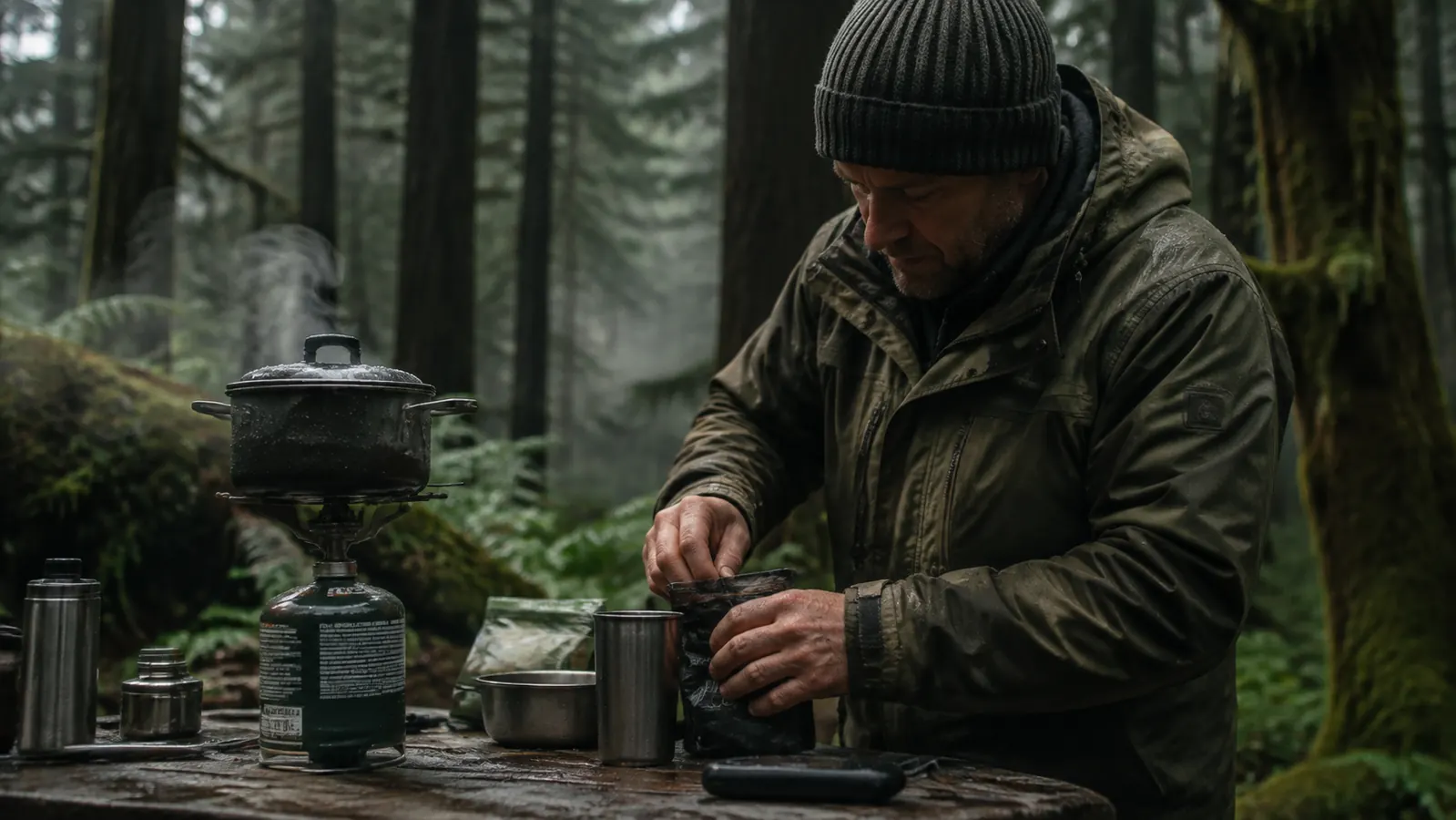
A campfire looks romantic until it rains all evening and the wood is wet. Here is the five-step system I use to cook real meals on a propane stove, from first coffee to one-pot dinner.
Every review says the Coleman BottleTop is dependable. None of them tell you about the top-heavy setup, the wind it still blows straight through, or how it behaves when the one-pound canister goes half empty in the cold. Here is the underside I learned cooking on one across the Pacific Northwest.
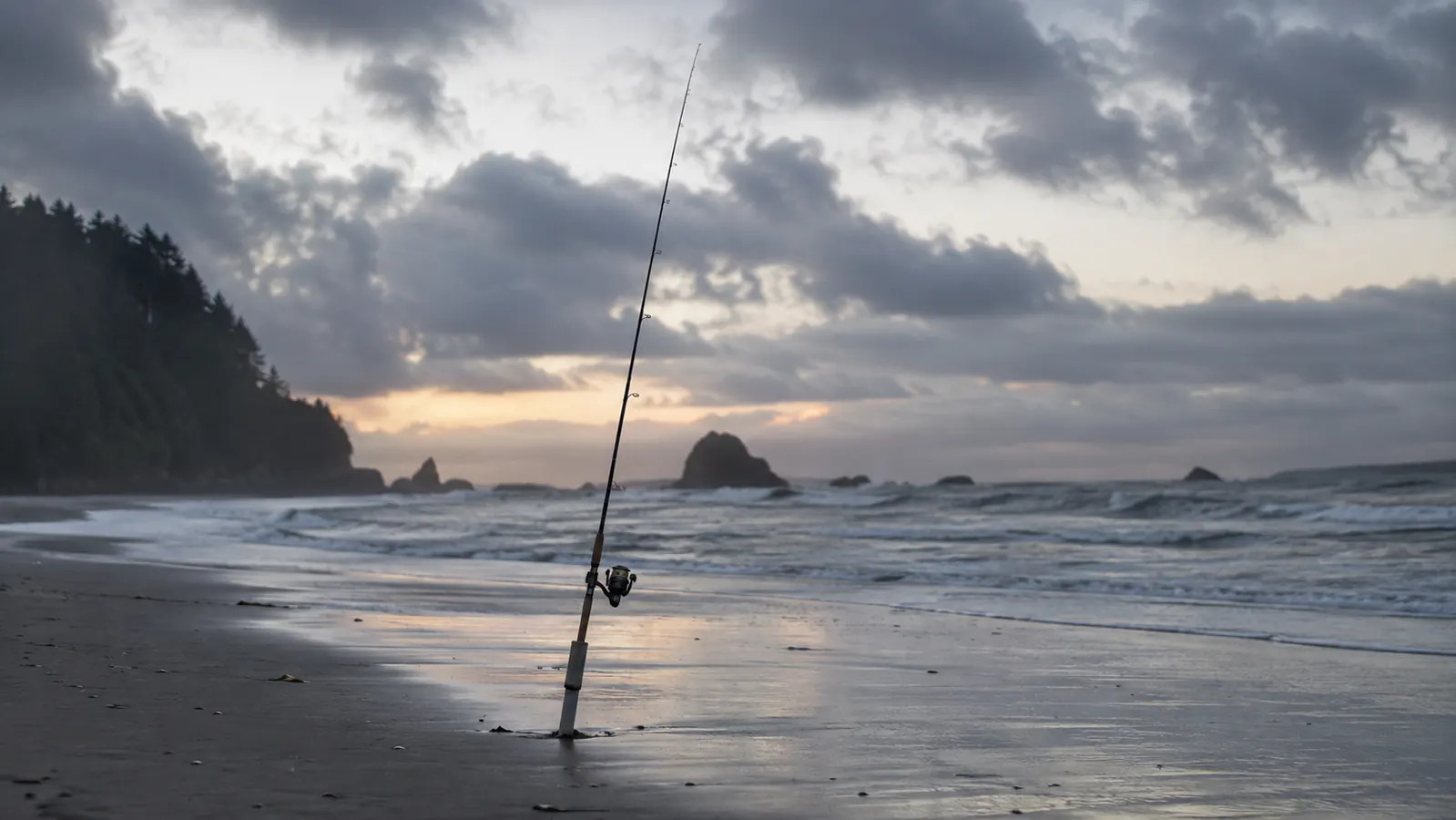
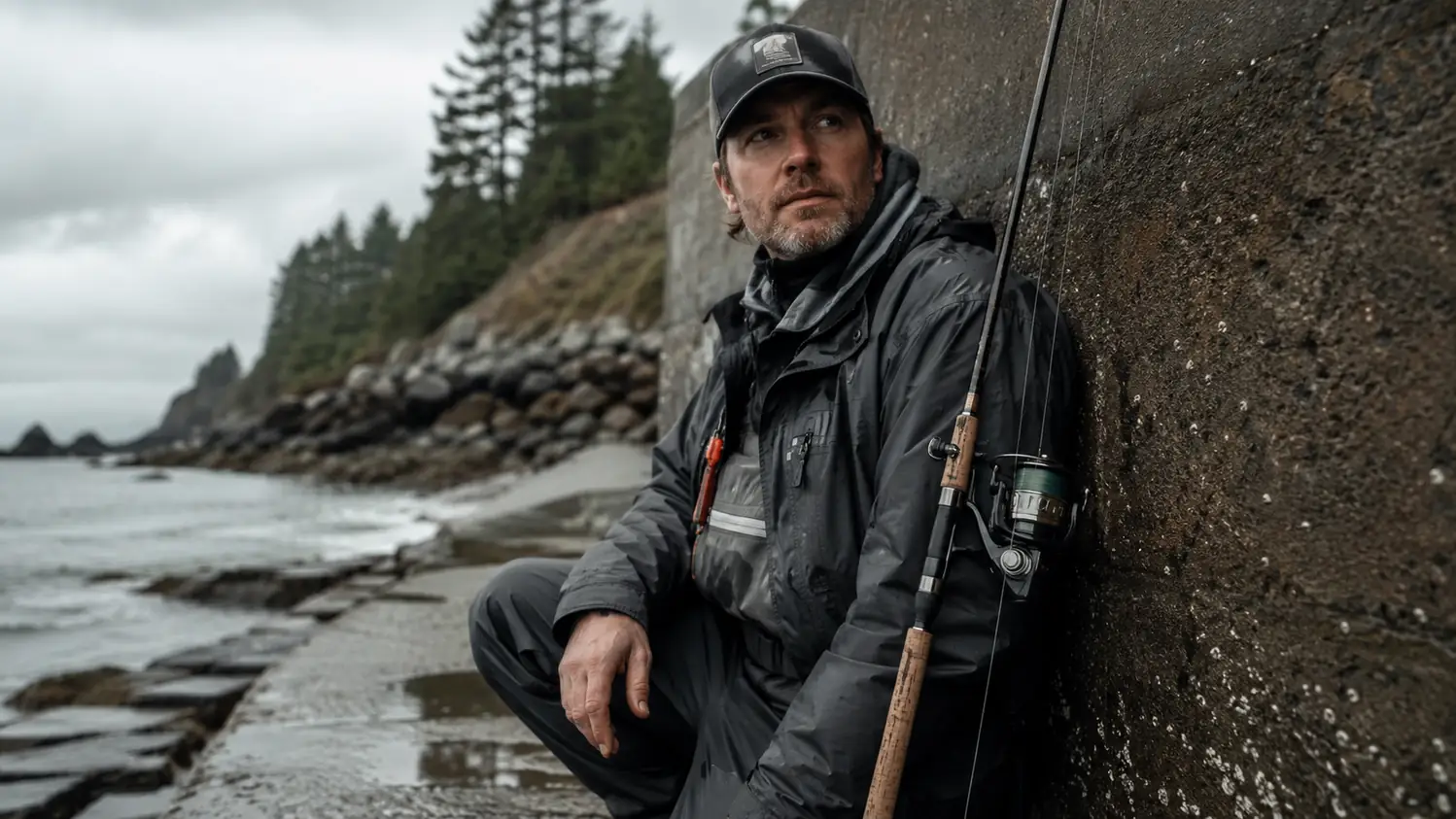
I fished the Ugly Stik Bigwater spinning combo through a full season of Washington surf and rock jetties, from winter storm surf to late-summer rockfish. Here is what the blank, the reel, and the salt actually did.
Two salt-capable spinning combos, one truck bed. I fished the Bigwater and the Penn Wrath on the Washington coast this season to see which one actually earns a spot on beach runs.
From the Columbia bar to the rock jetties of the Strait, one mid-weight spinning combo handled every kind of water my coast weekend throws at it.
I lost too many cheap reels to the Pacific Northwest surf before I finally bought a combo built for it. This is how the Ugly Stik Bigwater changed my fishing.
Surf fishing fails at the knot and the rig, not the casting. Here is the five-step setup I use on Washington beaches, from line weight to terminal tackle.
Everyone knows the Ugly Stik Bigwater is hard to break. What nobody tells you is how heavy it is, how the stock reel holds the combo back, and when you should absolutely not buy it. Here is the honest version.
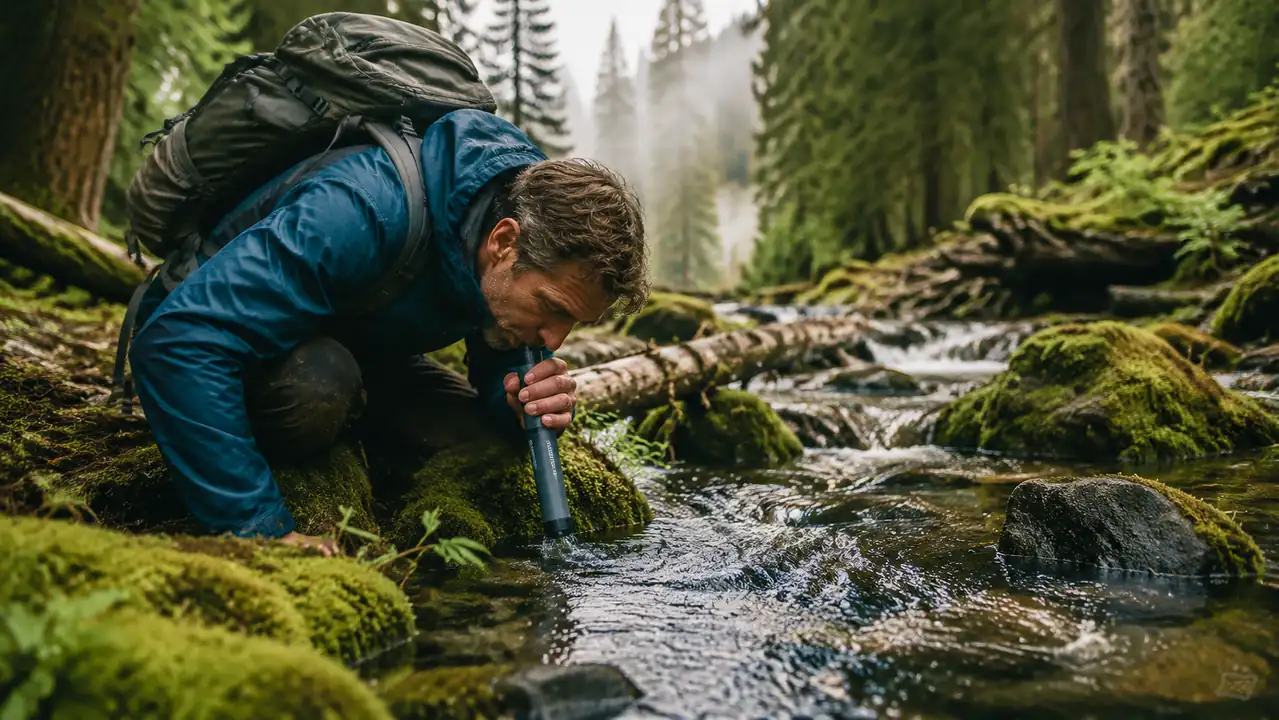
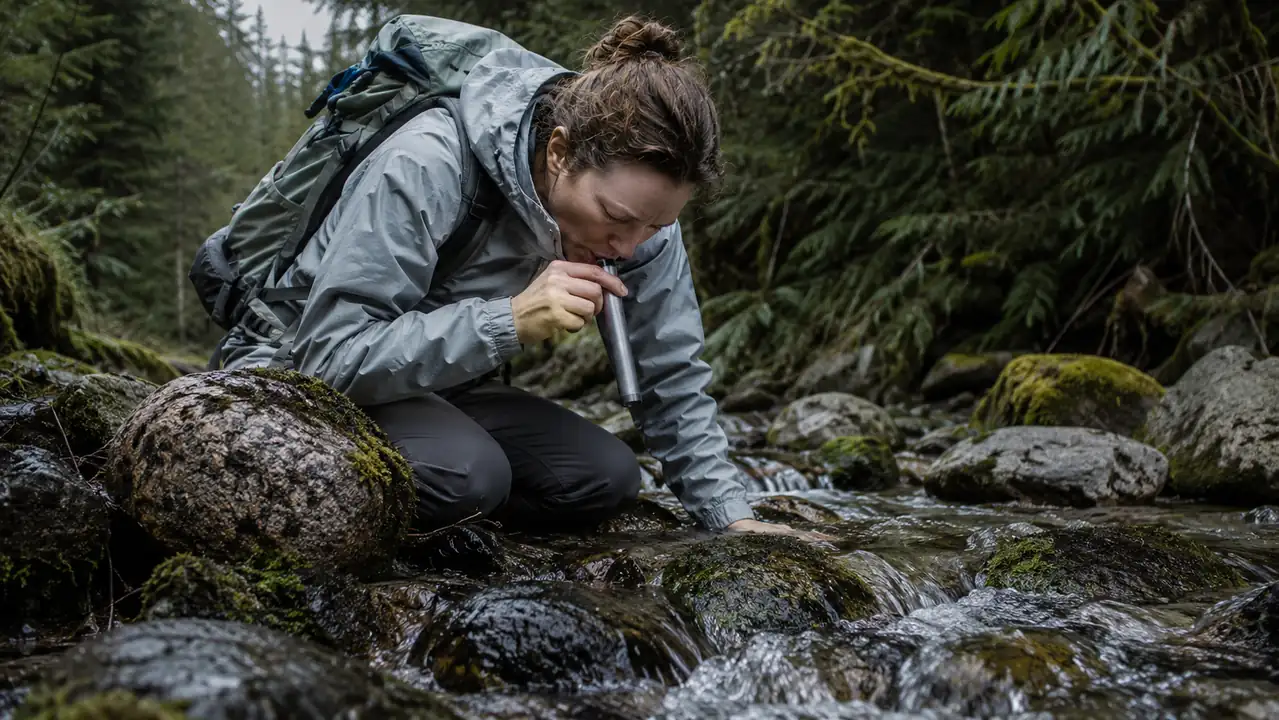
I drank straight from Cascades streams and high lakes with the LifeStraw Peak through a full season of hikes. Here is how the flow rate, the taste, and the durability actually held up.
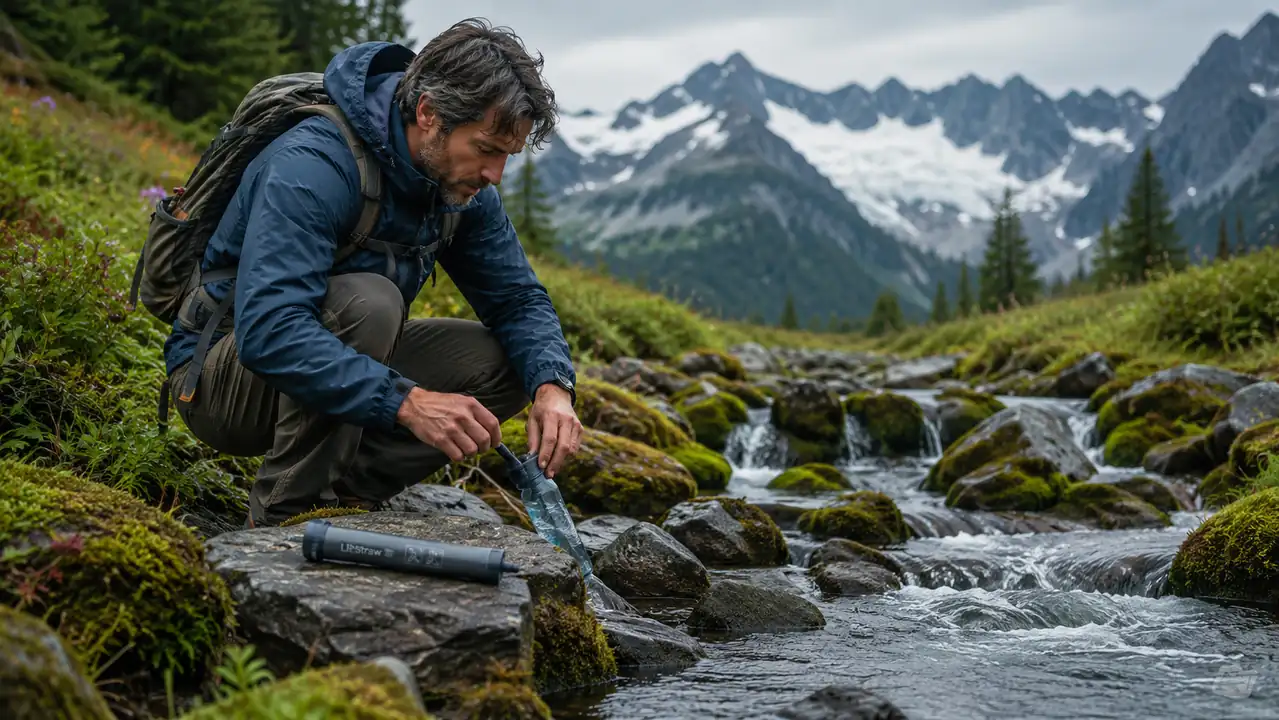
Two lightweight trail filters, a season of Cascade creeks and coastal streams, and one honest answer about which one you should trust with your water.
Carrying a filter straw means never planning your whole hike around the next tap. Here are the ten reasons a LifeStraw Peak never leaves my pack.
For years I hauled full bottles out of fear. One smaller filter straw changed how much water I carry and where my trails can go.
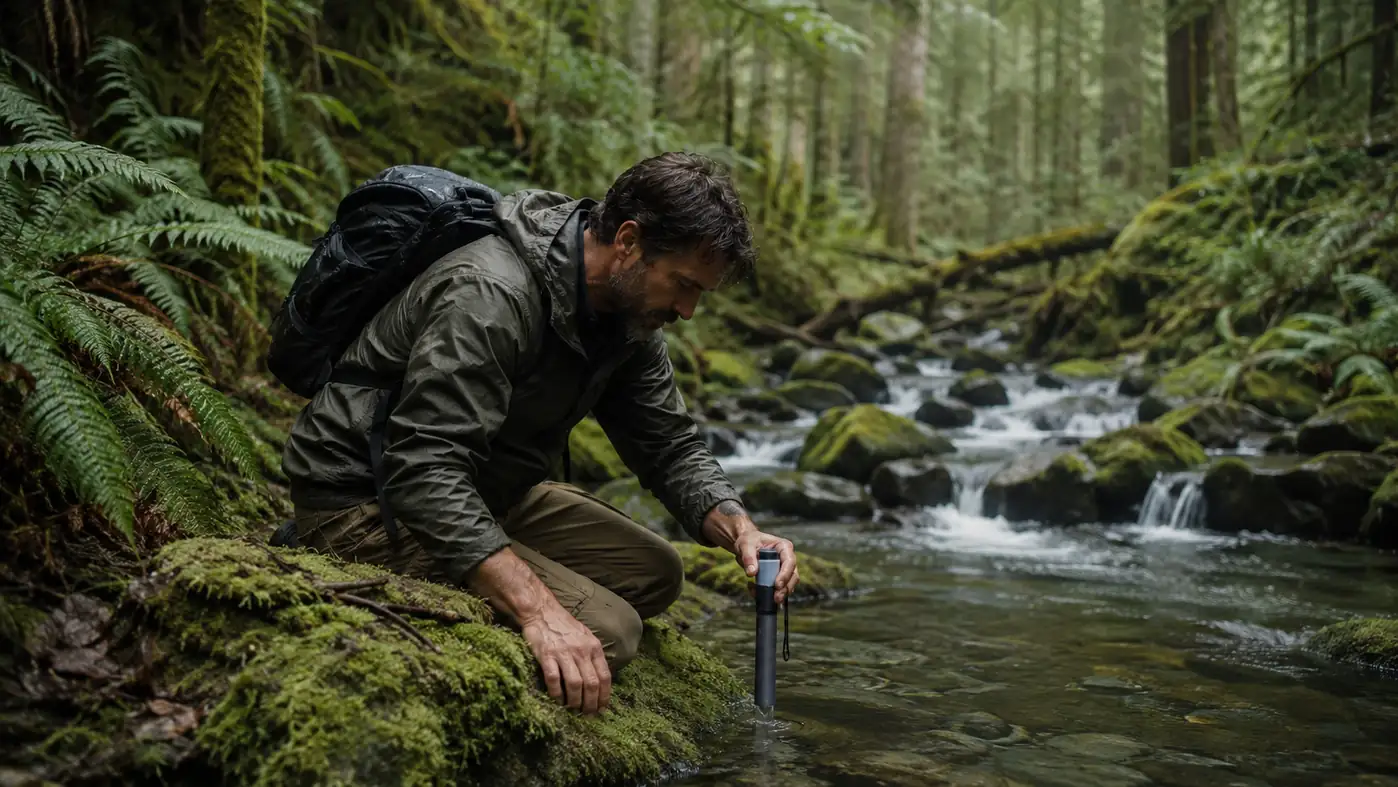
Drinking straight from a mountain stream takes more than just suck and hope. Here is the five-step system I use to keep a filter straw working properly, from finding the right source to storing it so it lasts a season.
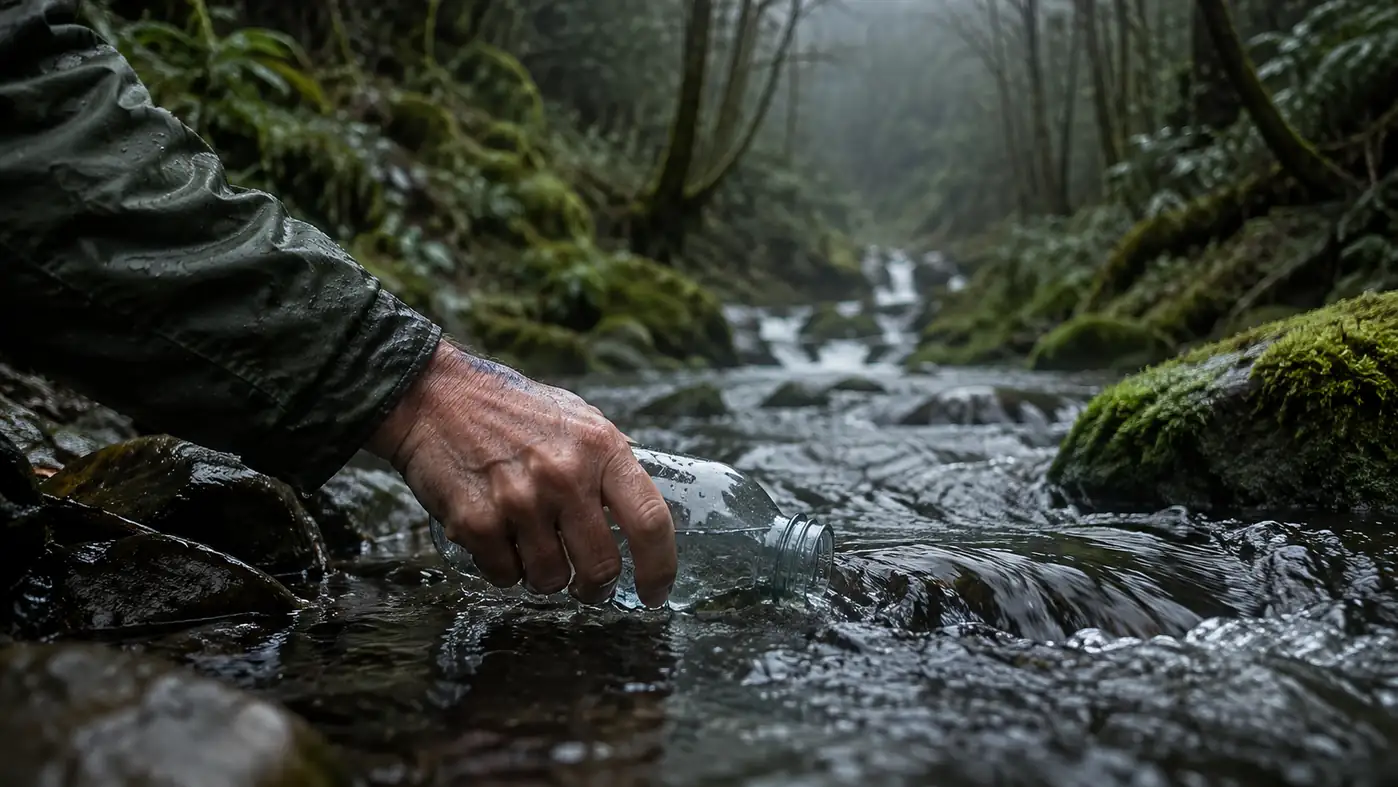
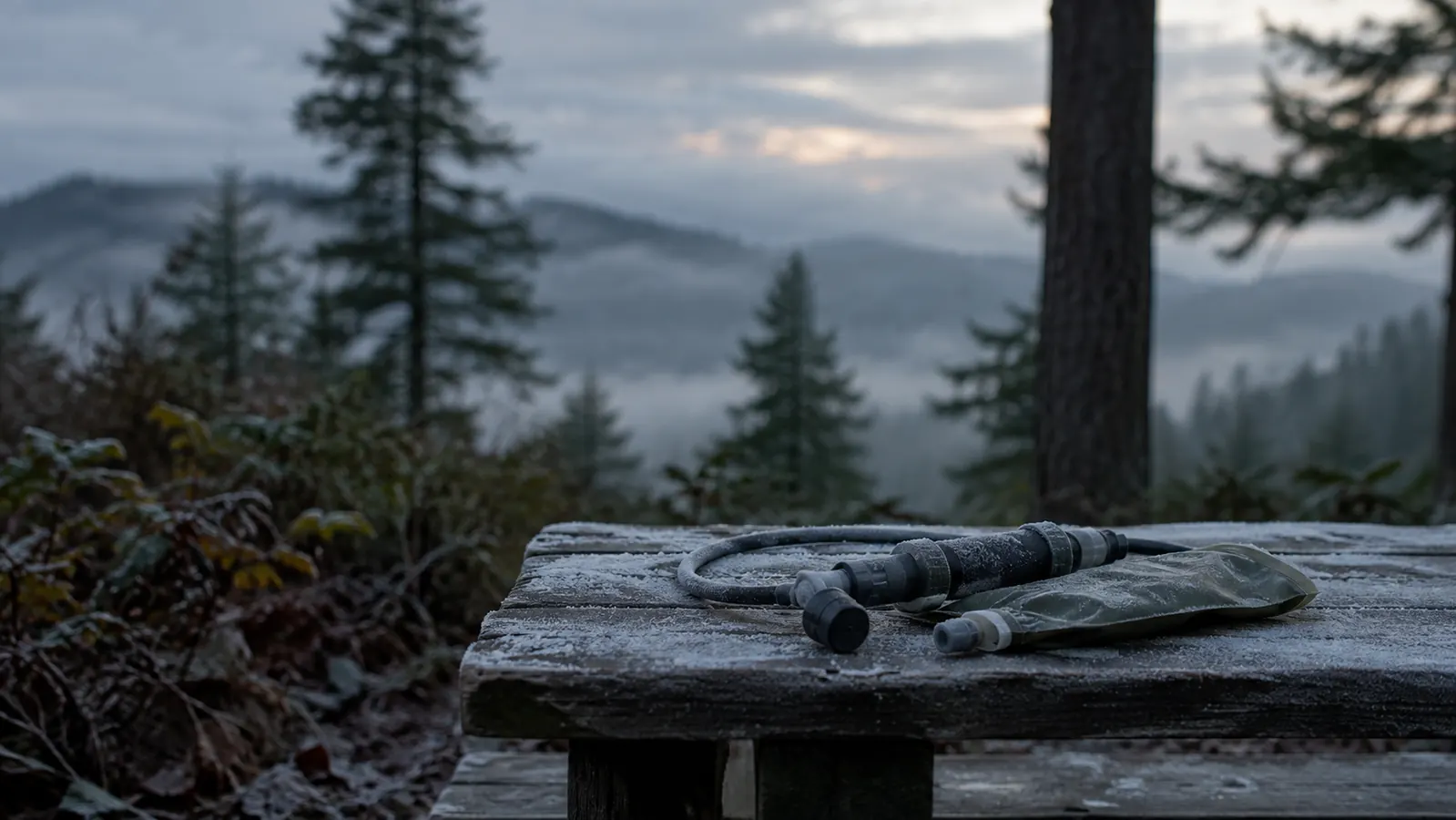
The honest rundown the box will not give you: what a freeze does to a hollow-fiber filter, what silty glacier runoff does to the flow rate, and the three small care habits that keep the LifeStraw Peak alive for years.
I wore the Marmot Precip Eco through every kind of Pacific Northwest wet, from forest drizzle to alpine soakers. This is what a full year actually does to it.
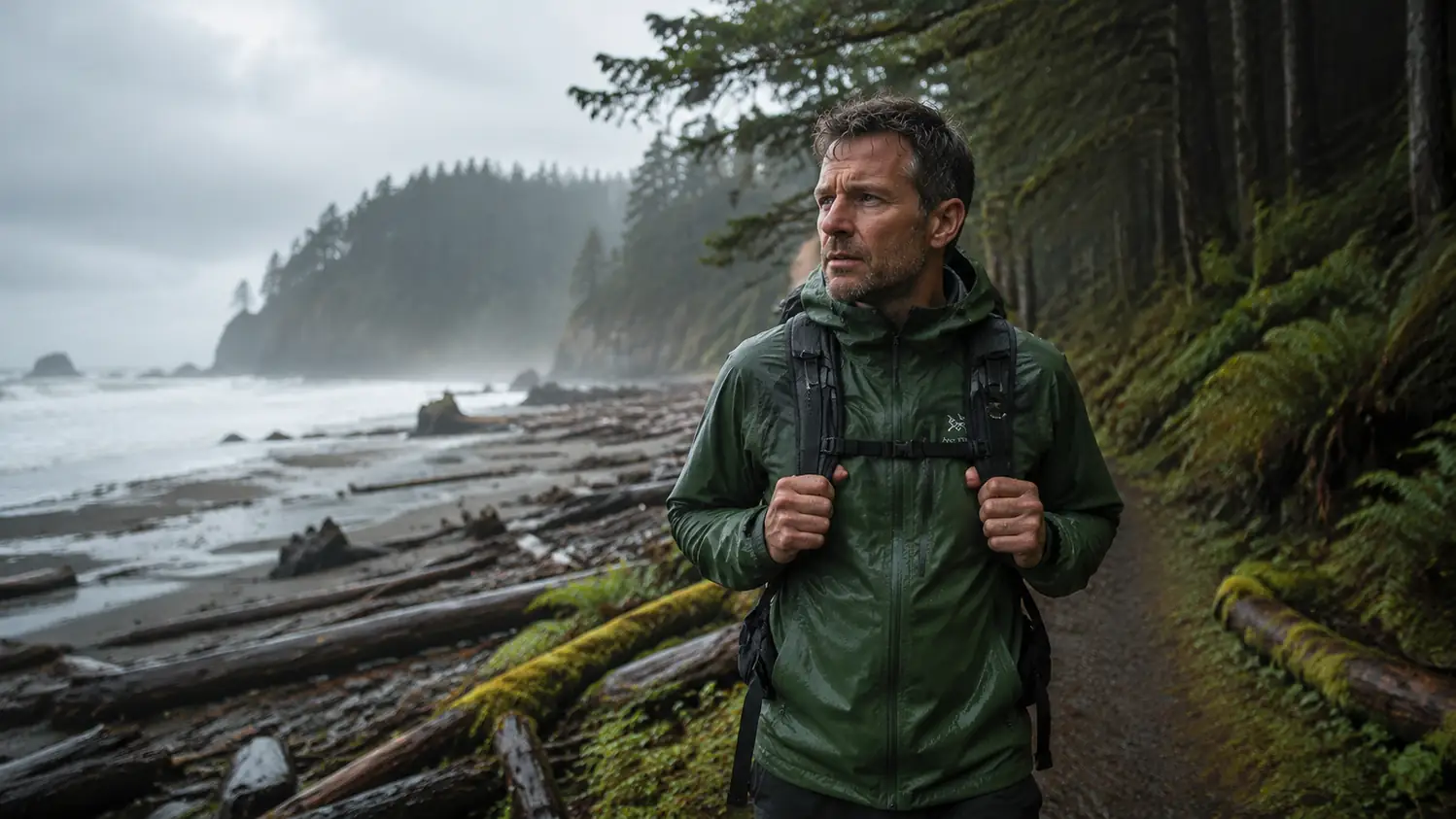
The unvarnished side of the Precip Eco the photos never show, from the hood you have to fold twice to the breathability ceiling you will spend a whole climb rediscovering.
I carried the Loowoko 50L through two years of Cascade weekend trips, from rain-shadow ridges to soggy alpine camps. Here is what the frame, rain cover, and layout actually did under a full load.
The product photos make the Loowoko 50L look like a pack costing several times more. After two seasons in the Cascades I can tell you exactly where that headline hides its corners.
I ran the Coleman BottleTop stove through three Pacific Northwest winters, from Olympic beach camps to wet Cascade basins. Here is how the burner, the wind shield, and the metal held up to years of cold, rainy use.
Every review says the Coleman BottleTop is dependable. None of them tell you about the top-heavy setup, the wind it still blows straight through, or how it behaves when the one-pound canister goes half empty in the cold. Here is the underside I learned cooking on one across the Pacific Northwest.
I fished the Ugly Stik Bigwater spinning combo through a full season of Washington surf and rock jetties, from winter storm surf to late-summer rockfish. Here is what the blank, the reel, and the salt actually did.
Everyone knows the Ugly Stik Bigwater is hard to break. What nobody tells you is how heavy it is, how the stock reel holds the combo back, and when you should absolutely not buy it. Here is the honest version.
I drank straight from Cascades streams and high lakes with the LifeStraw Peak through a full season of hikes. Here is how the flow rate, the taste, and the durability actually held up.
The honest rundown the box will not give you: what a freeze does to a hollow-fiber filter, what silty glacier runoff does to the flow rate, and the three small care habits that keep the LifeStraw Peak alive for years.