
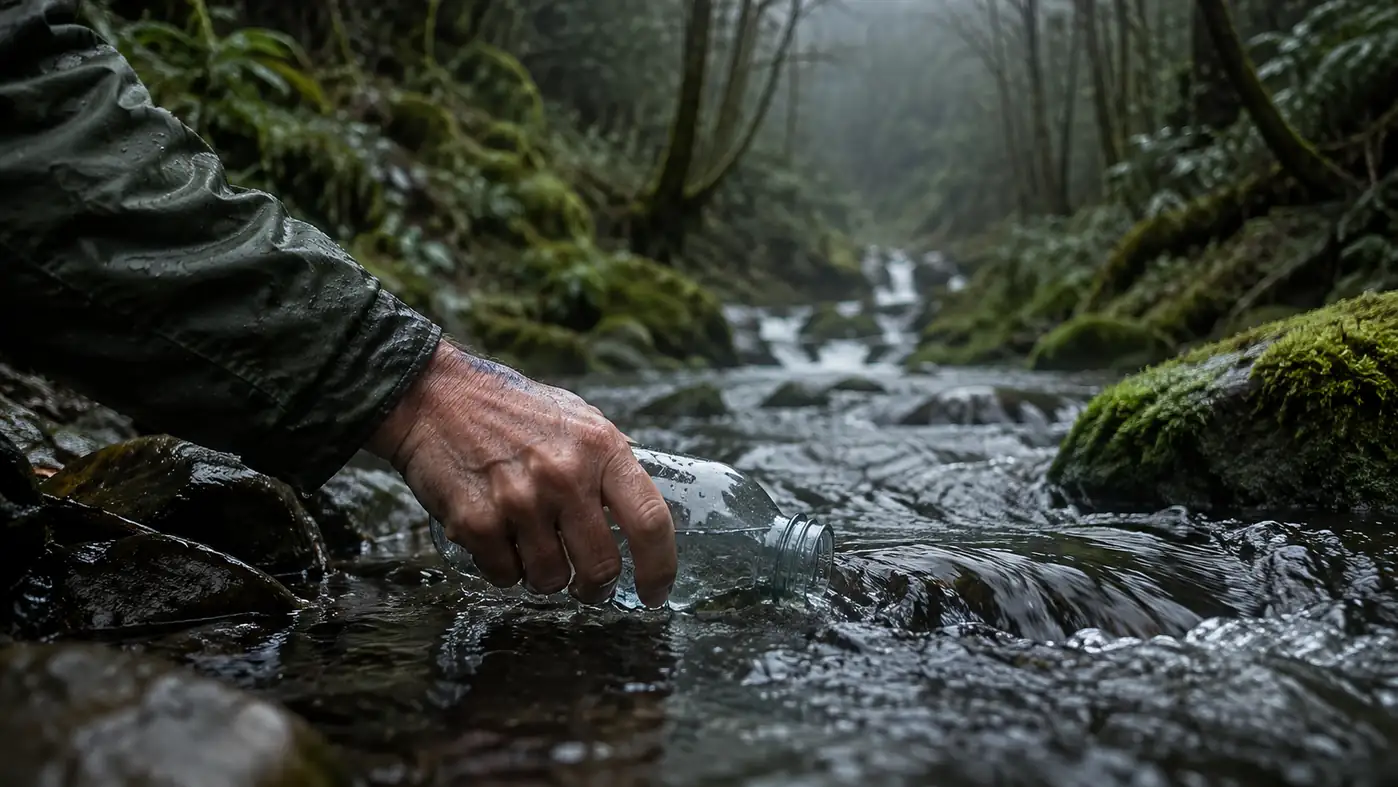
If you are shopping for a lightweight backpacking filter, you have almost certainly narrowed it down to the same two names: the LifeStraw Peak and the Katadyn BeFree. Both sit light in the pack, both promise to turn a mountain stream into drinkable water, and both have passionate owners who will swear by theirs. I carried both through a full season of Pacific Northwest trips, filtering from Cascade creeks, high alpine tarns, and brown coastal runs, to find out which one earns the permanent slot in my daypack.
Here is the short version: for the solo hiker who wants a dead-simple, dependable filter they can trust for a long time, the LifeStraw Peak is the easier recommendation. It has a longer filter life, a sturdier build, and it keeps flowing on silty water that would clog a faster cartridge. The Katadyn BeFree wins on flow rate and on the convenience of a bottle you can squeeze, which makes it a great choice for faster group use or for people who hate sipping slowly. But for the Pacific Northwest hiker who wants reliability over speed, I reach for the Peak.
| LifeStraw Peak | Katadyn BeFree | |
|---|---|---|
| Filter life | Up to 2,000 L (long) | About 1,000 L |
| Flow rate | Good, steady sip | Fast, quick fill |
| Weight | About 2.5 oz | About 2 oz (filter only) |
| Water source type | Straw, drink direct | Soft bottle, squeeze filter |
| Durability | Sturdy, field-maintainable | Lighter, cartridge easier to clog |
| Best for | Solo trips, silty creeks, long reliance | Groups, fast fills, bottle drinkers |
How I Used Both Filters
I did not test these in a lab with a stopwatch and a beaker. I tested them the way I actually drink on the trail. That meant mornings in alpine meadows filtering from a snowmelt creek that ran almost clear, afternoons pulling from a lowland stream stained brown with cedar tannins, and one memorable stop at a tarn the color of weak tea where fine sediment hung in the water no matter how carefully I dipped. I kept each filter in the same side pocket, used them the same way, and wrote down what happened when the water got less than pretty.
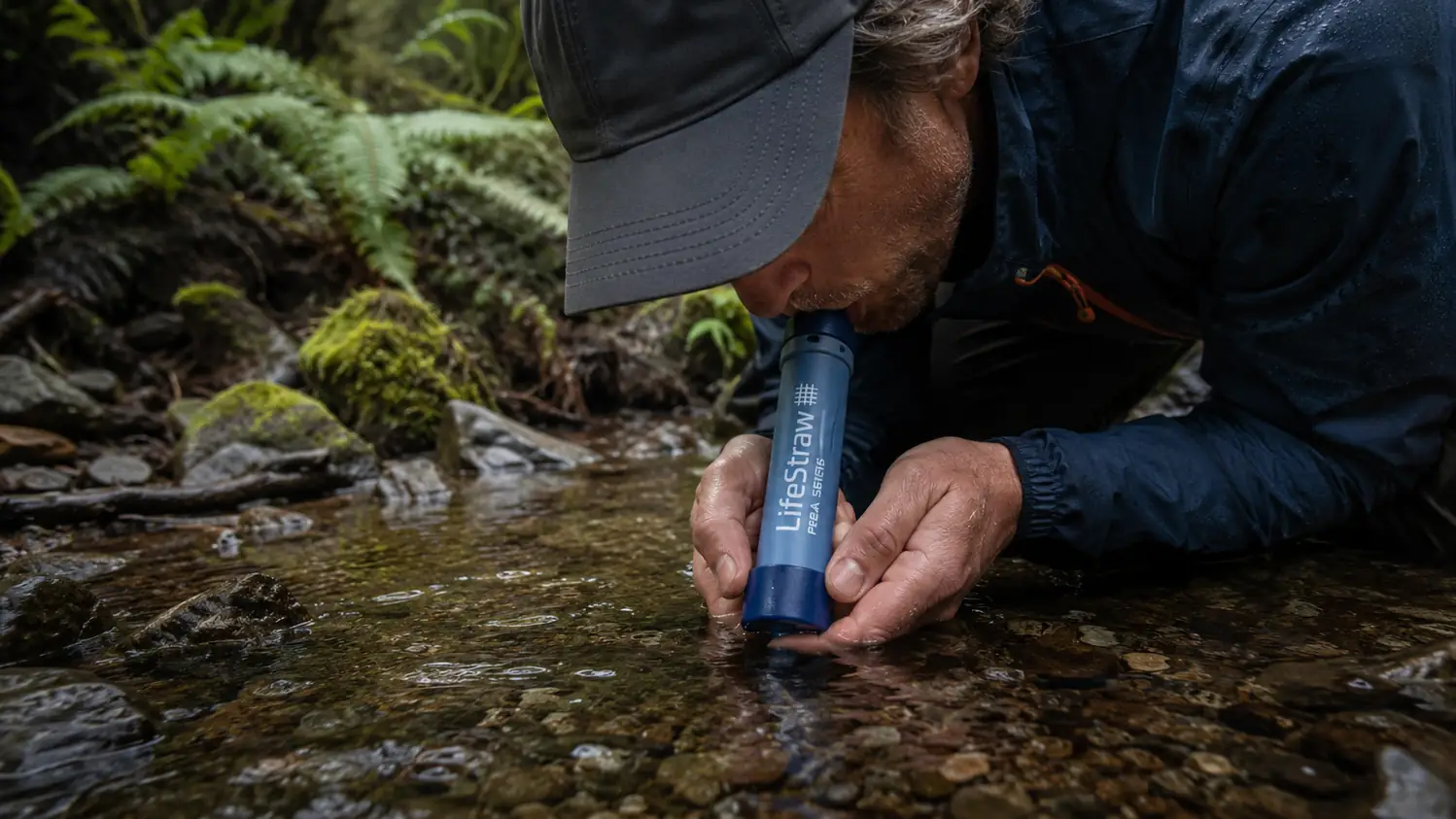
The LifeStraw Peak filters through a hollow-fiber membrane rated to remove bacteria and parasites down to a very fine level, and it does this for up to 2,000 liters, which is a lot of seasons. Its base screws onto a standard wide-mouth bottle so you can fill on the go, or you can drink straight from a source. The Katadyn BeFree uses the same hollow-fiber idea but bundles into a collapsible soft bottle you squeeze to force water through the filter, rated to about 1,000 liters before the cartridge needs replacing.
The squeeze-bottle difference is the heart of the choice. The BeFree gives you fast water and a bottle built in. The Peak gives you a tougher, longer-lived filter that leans on a bottle you already carry. Everything else is tradeoffs you should weigh against the water you actually drink, which is what I break down below.
I want to be honest about one thing up front: I did not weigh either filter obsessively, because on a day hike the half-ounce difference between them simply does not matter. What matters is how the whole kit behaves when it is wet, cold, and you are tired. So I stopped worrying about the scale and started worrying about whether each one let me drink water confidently and get back to moving. That is the lens this whole review is written through, and it is the one that will actually serve you on the trail.
Where the LifeStraw Peak Wins
The first and biggest win is filter life. The Peak is rated for roughly twice the liters of the BeFree before replacement, and for a hiker who filters every weekend, that difference shows up in the cost of replacement cartridges over a couple of seasons. If you hike twenty weekends a year and filter a liter or two each trip, that is years of dependable use from one Peak long before you ever have to think about a new cartridge. The math quietly favors it the more you actually use it.
The second win is how it handles the dirtiest water. When I dipped into that tannin-brown lowland stream, the Peak kept up a steady, usable flow, whereas the BeFree's cartridge started backing up noticeably and needed vigorous backwashing to clear. The Peak's design gives you more margin on silty water, and that margin matters on real Pacific Northwest trips where the clearest-looking water is not always the one in front of you. If you have ever stood over a creek at the end of a long day wondering whether you want to drink it, the filter that shrugs off the grit is the one you want.
The third win is durability and field maintenance. The Peak's build is simpler, with a drinking bypass you can clean, and it does not rely on a soft bladder that can be punctured by a careless gear toss or a sharp rock in the pack. The BeFree's soft bottle is convenient, but it is the fragile part of the whole system. For a hiker who has to trust a filter on a long unsupported trip without a spare, the Peak's sturdier, longer-lived design is the more dependable friend.
The filter I trust on a full season of backcountry water
After filtering everything from alpine creeks to brown coastal runs, the LifeStraw Peak is the one that stays in my pack. If you want a filter that keeps flowing for thousands of liters across many seasons, check today's price on Amazon.
Amazon Check Today's Price on Amazon →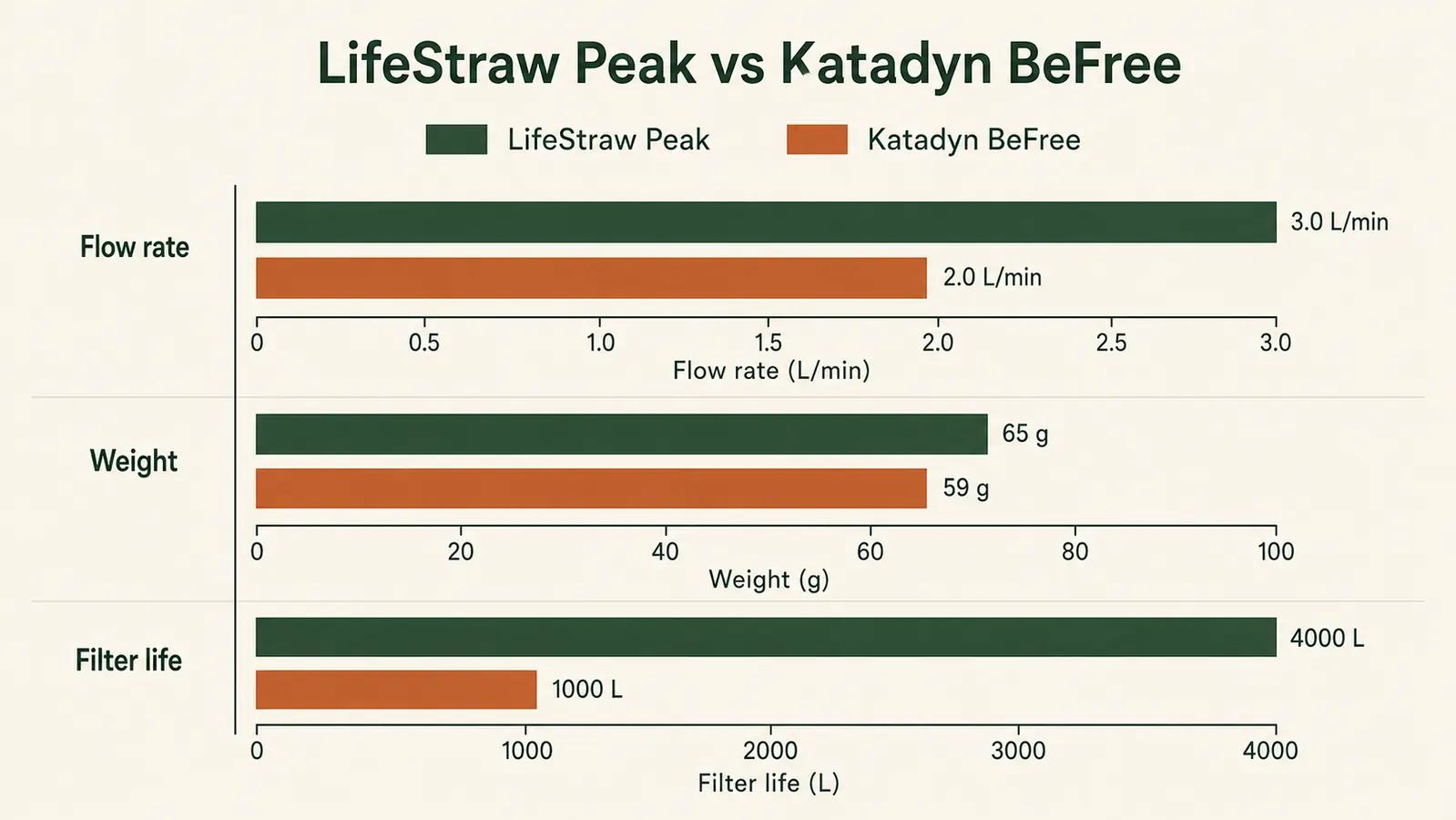
Where the Katadyn BeFree Wins
The BeFree's whole reason to exist is speed and ease, and it delivers both. Squeezing water through the soft bottle fills a hydration reservoir or a cooking pot noticeably faster than drinking through a straw, which matters if you are filtering for two people or you just want to stop fiddling and get moving. For filling a group's bottles or topping up a pot for dinner, the BeFree is markedly quicker, and that convenience is real on tired legs at the end of a long day. When the sun is dropping and dinner is still uncooked, a fast fill is a quiet gift.
It is also the better choice for anyone who prefers drinking from a bottle rather than bending to a stream. The squeeze-bottle form factor means you can gather water, screw the drinking cap back on, and sip normally out of the bottle whenever you want, no crouching over a creek. For hikers who find the straw-to-stream motion awkward, or who want a filter that doubles as their everyday carrying bottle, the BeFree wins on pure ease of use. That is why it is so popular with fast-and-light hikers who want to keep moving.
The Tradeoff Nobody Puts On The Box
Neither filter is perfect, and the honest part of this review is admitting where each one got on my nerves. The Peak takes more care in how you feed it water. Drinking straight from a shallow tarn means lying flat and getting your sleeve wet, and if the stream is a trickle you have to find a spot deep enough to actually drink. The BeFree, meanwhile, gave me fast fills but cost me time on the silty stuff, and its soft bottle felt like something I had to protect rather than just toss in my pack. Neither one ruined a trip, but both asked for a little patience in their own way.
There is also the practical matter of cleaning. Every filter collects debris over time, and how easy that clean is will decide whether you actually do it. The Peak's bypass is straightforward to flush, and its screw-on base means I could give the whole thing a rinse in a clean stream without taking anything apart. The BeFree needs a regular backwash and a little fiddling with the cap and mouthpiece. It is not hard, but it is a habit you have to keep, and on a tired trip the easier maintenance of the Peak quietly wins out.
That is exactly why I keep coming back to the comparison as a question of style rather than of one being objectively better. The Peak is built for the hiker who wants to buy once, trust it for a long time, and is happy to drink the way people drank from springs for a hundred years. The BeFree is built for the hiker who wants water fast and is happy to replace the cartridge a little sooner to get it. Match the filter to the way you actually move, not to the spec sheet, and you will not be disappointed by either.
Who Should Buy Which
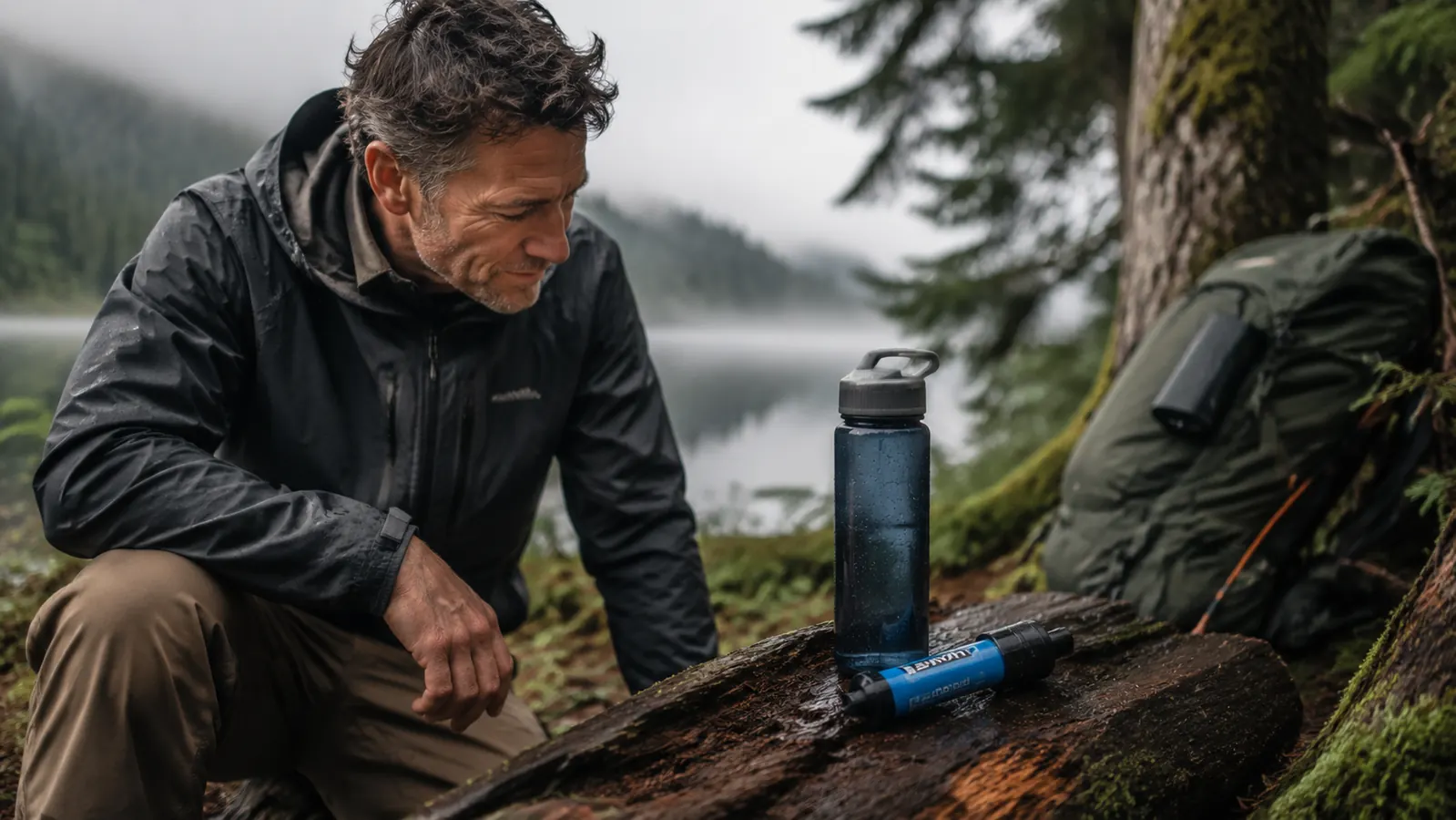
Buy the LifeStraw Peak if you are a solo hiker who filters often from whatever water is in front of you, want a filter that will last many seasons, and care more about long-term reliability than the extra second or two per sip. It is the better companion for trips that end in silt, the filter life means you buy it once and stop thinking about it, and it is the one I would not hesitate to take on a long unsupported route where a gear failure is not an option.
Buy the Katadyn BeFree if you filter for more than yourself, want the fastest fill possible, or strongly prefer drinking out of a bottle rather than a straw. It is the friendlier choice for groups and for hikers who want to squeeze, fill, and go without stopping to crouch. Just be ready to backwash the cartridge on dirty water and to replace it sooner, since its usable life is about half the Peak's for roughly the same kind of filtration.
The Bottom Line After a Season of Both
After all the creeks and tarns and tan-stained stream crossings, the honest truth is that I ended the season with the LifeStraw Peak in my pack and the BeFree in a box on the shelf. It was not because the BeFree is a bad filter, because it is not. It was because my trips lean solo, my water leans silty, and I would rather carry one filter for several seasons than think about cartridges twice a year. The Peak fits the way I hike.
But I want to be plain that the reverse is true for plenty of people. If you usually hike with a partner or a small group, if you fill a cooking pot as often as you fill your mouth, or if you simply cannot stand crouching over a stream, the BeFree is the better tool for the job and you will love it. The whole point of this comparison was never to crown a single winner. It was to help you pick the right one based on the water you actually drink, and I hope the details above make that call easier for you than it was for me.
My permanent daypack filter, after a season of both
For the silty creeks and long alpine days of the Pacific Northwest, I stopped carrying the faster bottle and started carrying the LifeStraw Peak. If you want a filter that stays dependable across many, many liters of trail water, that is the one I would buy today.
Amazon See the LifeStraw Peak on Amazon →