
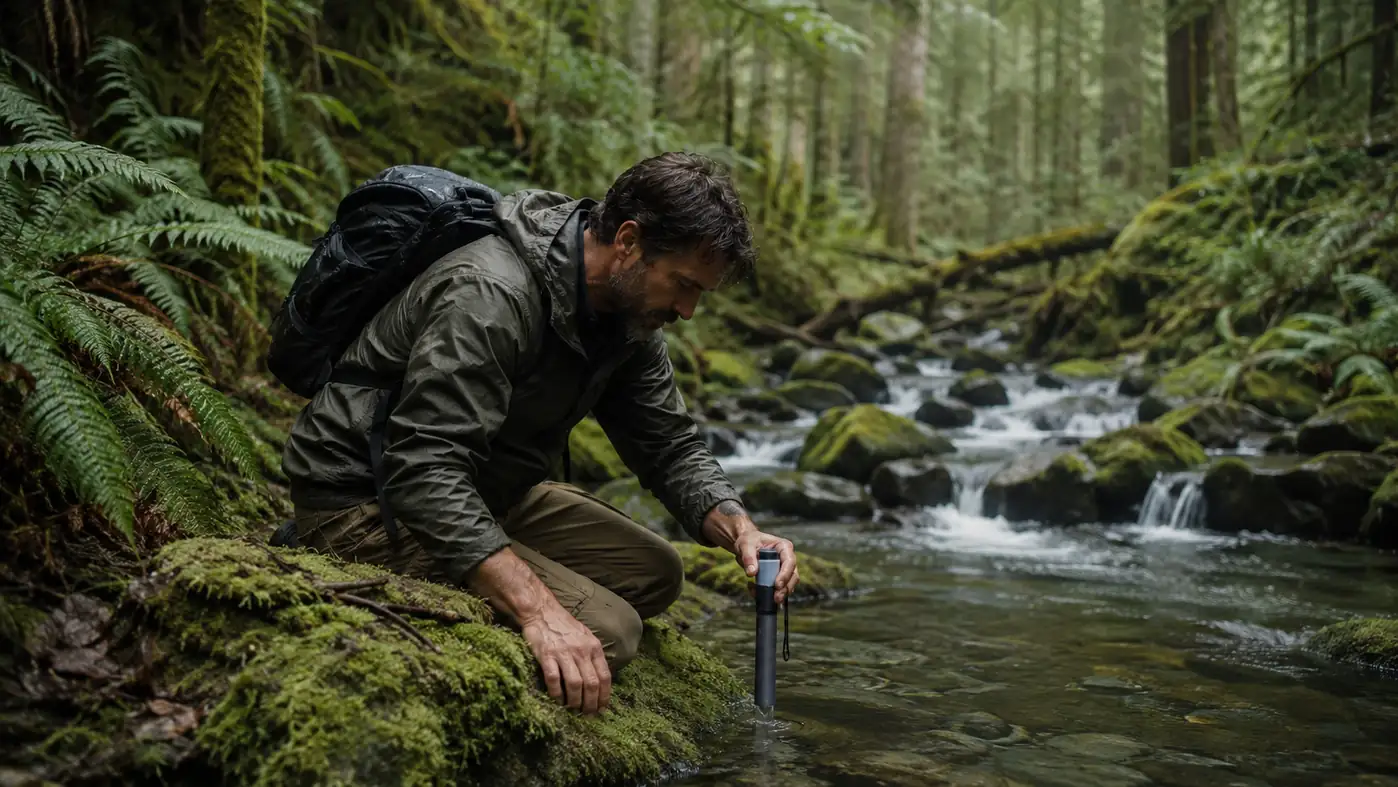
For years my daypack weighed what it did because of water. Two full liter bottles before I even left the car, then a third if the trail was long enough, and the whole route got planned around the one reliable creek I trusted not to be full of trail mix and elk scat. I know you have done the same math. The answer I kept coming back to, a lightweight water filter straw, weighs about as much as a handful of trail mix and it rewrote those plans entirely.
The LifeStraw Peak is the one I reach for on almost every Northwest outing. It is not the fanciest or the fastest filter on the market, but it has earned a permanent spot in my pack. Here are ten reasons it belongs in yours too.
Stop hauling tap water up the mountain
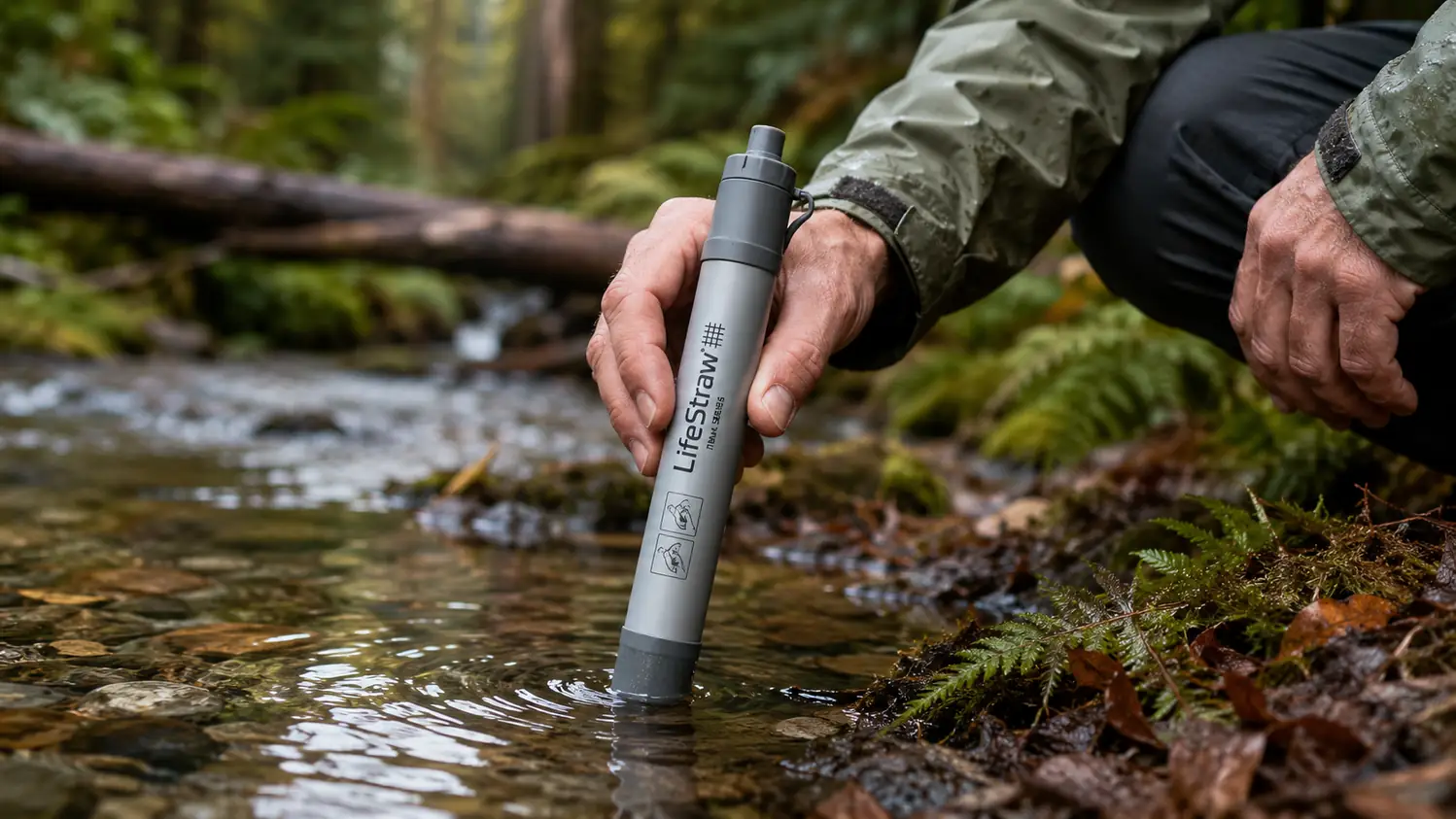
The LifeStraw Peak filters up to 2,000 liters through a 0.2-micron hollow fiber membrane, which means streams, lakes, and snowmelt become drinkable on the spot. Carry it once and your pack gets lighter every single trip.
Amazon Check Today's Price on Amazon →It cuts the heaviest thing in your pack
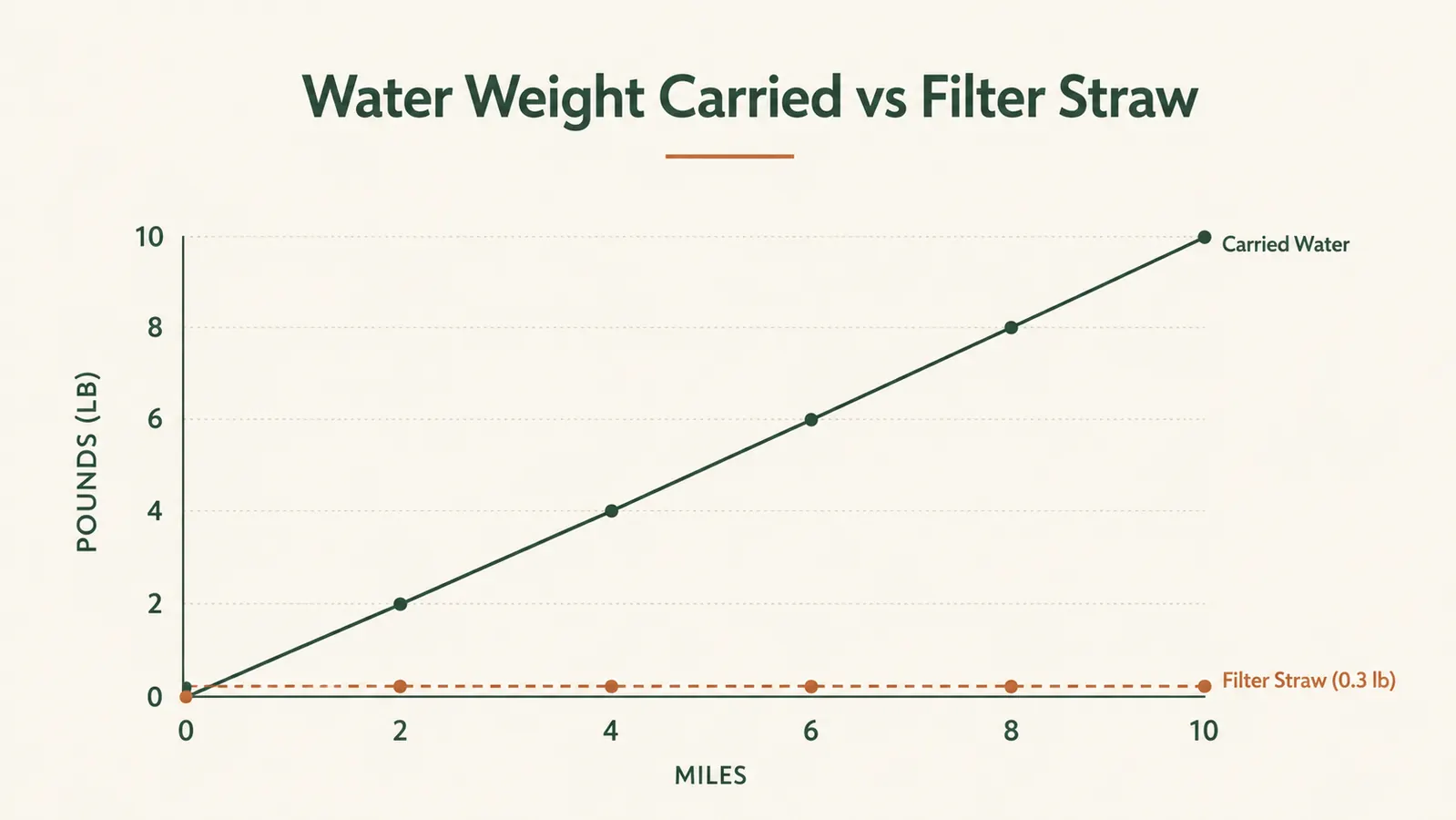
Water weighs just over two pounds per liter. Carrying three liters for a long hike means six pounds of sloshing weight on your back from the moment you step off the trailhead. The LifeStraw Peak weighs about two ounces. Filter as you go and you turn that six pounds into nothing more than a bottle you refill at the next creek. On steep Cascade climbs, that is the difference between a good day and a miserably heavy one.
Your trail map stops needing a water refill line
I used to draw my routes around water. A loop without a trustworthy stream meant hauling extra weight or cutting the hike short. With a filter straw, every flow of clear water on the map is a refill point. That opens up traverse trails and ridge walks that I used to skip because there was no tap on the route.
Backup when everything else fails
Filters clog, tablets run out, stoves decide not to fire. In the Pacific Northwest, where reliable streams are everywhere, a filter straw is the layer that never quits. Even if my main squeeze filter dies, the straw still drinks straight from the source. On a long weekend it is the peace of mind that the one thing you cannot pack extra of, clean water, is never actually gone.
It removes the microbes that actually hurt you
The Peak uses a 0.2-micron hollow fiber membrane that removes bacteria, protozoa, and microplastics from the water you drink. That is the real risk in a backcountry stream, the stuff you cannot see. It does not remove viruses, so I still avoid water right below a beaver dam or cattle turnout, but for most Western mountain streams it is exactly the protection a hiker needs. The membrane filters to 0.2 micron, far finer than the diameter of most of the single-celled troublemakers a backcountry hiker actually meets, and that is what lets me drink without my stomach spending the drive home on alert.
You finally stop freezing your teeth on cold gallons
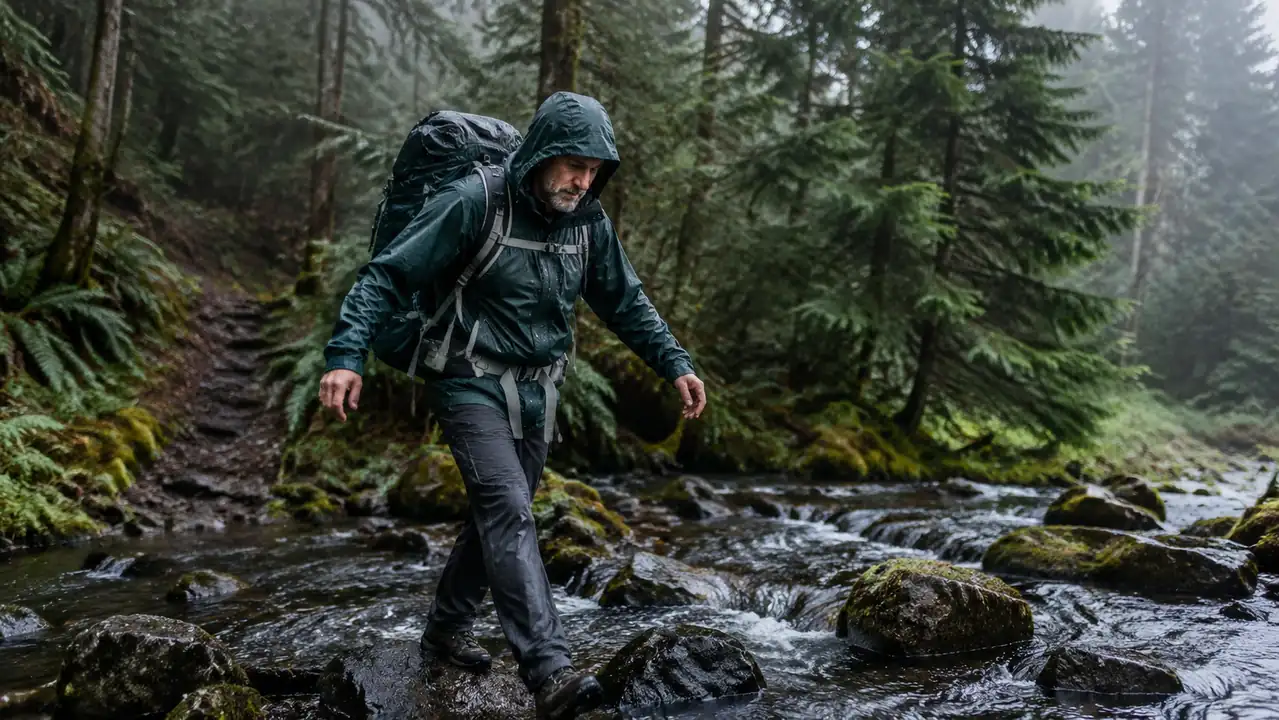
There is a specific misery to drinking lukewarm tap water you carried all morning. Creek water comes cold, often snowmelt cold, and it tastes like the mountains instead of like plastic. Filtering straight from the source means every sip is icy and clean, which on a hot August ridge is the best small luxury I know.
It lives in your pack year-round without a thought
Because it weighs almost nothing and takes up no real space, the straw just stays in my side pocket whether I am doing a two-mile walk or a two-day push. No deciding, no forgetting it on the counter, no digging it out of a bin at the trailhead. It is one of those pieces that has to be with you before you need it, and that is exactly where it lives.
It handles streams you would never trust with a plain bottle
I fish the coast and the rivers, and I have seen what a good rain does to a mountain stream. Runoff turns clear water cloudy, and cloudy water is where the trouble hides. The Peak handles murky water far better than I expected, and when it slows I simply blow it out from the back end and keep going. That little backflush trick keeps it working through water I would not have trusted a decade ago. A plain bottle gives you none of that, which is why I stopped pretending a filter was optional.
It costs less than one tank of gas and lasts for years
A filter rated for 2,000 liters, the Peak is not a piece you rebuy every season. Treat it gently, backflush it after muddy trips, and it stretches across years of weekends. Compared to buying case after case of bottled water for every hike, it pays for itself in the first handful of trips and then just keeps going.
It turns a dry campsite into a non-issue
Camping near a good water source is a classic first-come situation, and I have more than once had to settle for a site with no reliable spring. With a straw and a long walk to the nearest creek, dry camp becomes just an inconvenience instead of a deal-breaker. Fill your bottle on the way in and you can camp anywhere a filter can reach.
It is the lightest piece of insurance you can carry
Two ounces of insurance that never needs charging, never leaks, never needs a spare part, and works even if every other system goes sideways. That is the whole case. A filter straw is the kind of gear you hope you do not have to lean on hard, but you are genuinely glad is there the one day the plan changes. For me, that day has come more than once.
What I'd Skip
Before you buy, know what this filter is not. The straw is a squirt-and-drink tool, not a squeeze bottle system, so it is slower when you want to fill a whole pot for cooking or a big bottle for the afternoon. If you mostly camp in groups or need liters of clean water fast, the squeeze-style filters beat it. And it does not remove viruses, so it is not my pick for traveling somewhere with heavy livestock or sewage risk. For a solo day hike or a lighter solo overnight in clean mountain country, it is just about perfect.
With the filter straw in my side pocket, the whole map changes. Every clear creek is a refill, and I stopped hauling six pounds of tap water over the top of the pass.
Make your next hike weigh less and go farther
The LifeStraw Peak is the small change that lets you carry less, trust more of the water you meet, and open up trails you used to skip. It is the lightest useful piece of gear in my pack, and it has been for years.
Amazon Check Today's Price on Amazon →